Buying a Heavy Kettlebell for international training facilities requires more than comparing prices and painted handles. Buyers must examine steel quality, weight accuracy, grip comfort, coating durability, packaging, and supplier communication. These details affect every swing, clean, and overhead press.
Pavel Tsatsouline, a respected kettlebell training expert, once said, “The kettlebell is an honest tool.” That idea matters during purchasing. A poorly balanced bell exposes manufacturing weaknesses quickly. A reliable Heavy Kettlebell should feel stable in the hand, with a smooth handle and a secure base. It should also match the listed weight closely. Small errors become significant when gyms purchase dozens of units.
Global buyers face additional concerns. Shipping costs can change the real purchase price. Different markets may require specific labeling, product documentation, or packaging standards. Buyers should request factory photos, inspection records, material details, and sample units before placing large orders. Ask difficult questions early.
This guide presents seven practical buying tips for Heavy Kettlebell sourcing. It considers performance, safety, durability, customization, logistics, and supplier reliability. The process is not perfect. Even experienced buyers can overlook corrosion risks or unclear warranty terms. A low quotation may hide weak packaging or inconsistent quality. That deserves reflection.
Choose evidence over attractive promises. Test the handle. Measure the bell. Review the supplier’s history. A dependable purchase supports safer training, fewer replacements, and better long-term value across international markets.
Choosing a heavy kettlebell starts with the training goal, not the appearance. Strength athletes may need controlled swings, squats, and carries with substantial load. Conditioning users often prefer moderate weights for longer sets. Home users should also measure floor space, storage height, and lifting clearance before ordering.
Weight selection needs honest assessment. A beginner may manage 12 to 16 kilograms for basic movements, while experienced users may require 24 kilograms or more. However, heavier is not always better. Poor form can turn a useful exercise into a shoulder or lower-back problem. Test a similar weight if possible, and increase gradually.
I once underestimated how tiring repeated cleans could become. That mistake changed how I judge “comfortable” weight.
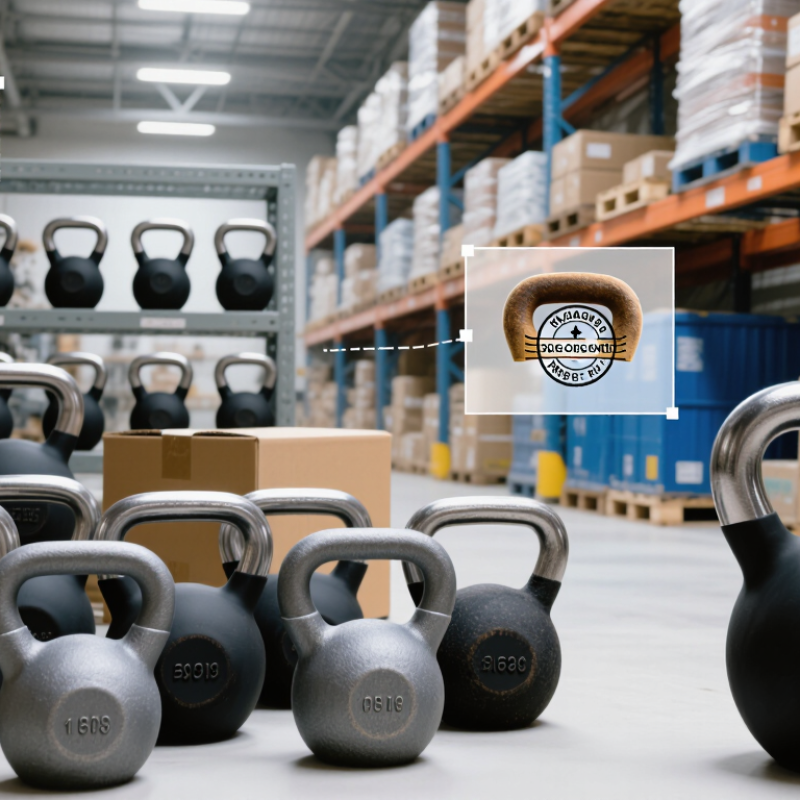
Kettlebell type also affects purchasing decisions. Cast-iron models suit traditional strength work and usually provide a compact shape. Competition-style models have consistent dimensions, which helps technique when weights increase. Adjustable versions save space, but their locking parts need careful inspection.
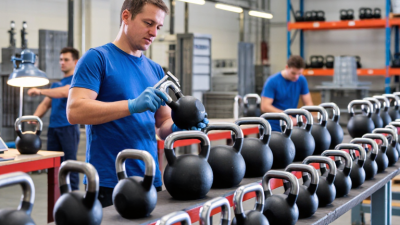
Check handle diameter, surface texture, base stability, and weight tolerance. A rough handle can damage the palm during high-volume training. Ask suppliers for material specifications, inspection records, packaging details, and clear product measurements. These documents help global buyers compare quality instead of relying on photographs.
Shipping protection matters too. A chipped coating or distorted handle may create problems before the first workout. Be cautious with vague claims.
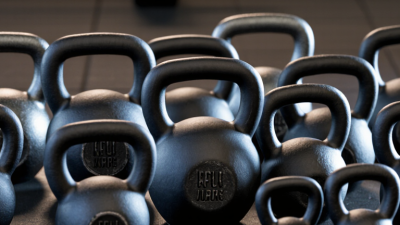
7 Heavy Kettlebell Buying Tips for Global Buyers?
Material choice affects balance, durability, and shipping damage. Cast iron offers predictable mass and a traditional feel. Steel can provide cleaner shapes and tighter dimensional control. Ask for batch weight records, not only catalog claims. A 24-kilogram bell should not arrive at 23.4 kilograms. That difference matters during progressive training.
Inspect the handle closely. It should feel smooth, but not slippery, with no sharp casting seams. A slightly textured finish may improve grip with dry hands. Powder coating resists chipping better than basic paint, while e-coating can improve corrosion protection beneath the outer layer. Request salt-spray results when coastal storage is expected. ASTM F2276 and ISO 20957-1 offer useful fitness-equipment safety frameworks, although neither replaces factory inspection. Standards help. They do not guarantee perfect production.
Manufacturing quality appears in boring details. Check cavity symmetry, flat-base stability, coating consistency, and laser-marked weight information. The SFIA 2024 Topline Participation Report recorded about 71.5 million U.S. fitness-equipment users in 2023, showing strong demand for reliable training hardware. Global buyers still face different humidity, packaging, and inspection conditions. Request pre-shipment photographs, hardness checks, and random weight sampling. I would also test several handles personally. Online specifications can look excellent, yet one uncomfortable edge may ruin daily use.
Global buyers should treat a heavy kettlebell as load-bearing equipment, not a simple lump of iron. WHO’s Global Status Report on Physical Activity 2022 estimates that 31% of adults do not meet recommended activity levels. Safer equipment matters as more people train at home. Request the exact product specification, including mass tolerance, handle diameter, base stability, coating type, and maximum tested load. Vague terms such as “commercial grade” prove little.
Tip: Ask for independent test reports, not only factory declarations. Each report should show the model number, tested sample, test date, methods, and laboratory signature. Confirm whether the laboratory follows ISO/IEC 17025. Check references to applicable frameworks, such as ISO 20957-1 or ASTM fitness-equipment requirements, where relevant. These standards may not cover every kettlebell design directly. That detail is easy to miss. Testing can include static loading, repeated impact, handle fatigue, dimensional checks, and coating adhesion. A report without test conditions is weak evidence.
Inspect a sample personally, if possible. Run fingers along the handle. Look for sharp casting seams, deep pits, uneven welds, or a rocking base. Compare the stamped weight with a calibrated scale. Ask whether the coating was tested for chipping after repeated drops; many suppliers avoid this question. I would also request photos from several production batches, because one perfect sample can hide inconsistent manufacturing. WHO guidance supports muscle-strengthening activity on at least two days weekly, but frequent use exposes small defects quickly. A certificate helps, yet it is not a substitute for practical inspection.
Global buyers should assess suppliers beyond the quoted unit price. Grand View Research valued the global fitness equipment market at about USD 16.56 billion in 2023, with continued growth expected through 2030. This growth attracts more factories, but quality can vary sharply. Request material specifications, handle dimensions, coating details, and recent load-test records. Ask for production photos, not only polished catalog images. Small defects matter.
Compare landed cost, not FOB pricing alone. Include freight, insurance, duties, inspection, packaging, and port charges. A 24-kilogram kettlebell may look inexpensive until reinforced cartons increase shipping volume. Industry reports from the Global Health & Fitness Association recorded approximately USD 96.7 billion in global fitness facility revenue in 2023. That figure reflects strong demand, but it does not guarantee stable margins for every buyer. Calculate costs carefully. I still find spreadsheets can mislead when exchange rates change suddenly.
Minimum order quantities deserve direct negotiation. A supplier may request 500 pieces for standard weights but accept 100 pieces for a trial order. Custom colors, laser logos, recessed markings, or private packaging usually require higher MOQs and setup fees. Confirm whether tooling remains reusable for later orders. Request a pre-production sample and inspect its balance, grip texture, flat base, and odor after curing. Customization sounds simple. It often is not. A written approval sheet can prevent expensive misunderstandings across time zones.
Global buyers should treat a heavy kettlebell as industrial cargo, not a simple fitness accessory. Ask the supplier for exact weight, dimensions, handle clearance, coating details, and carton strength. I recommend requesting a packed sample before approving a full order.
A 24-kilogram unit may become 27 kilograms after packaging. That difference affects freight quotes and warehouse handling.
Use molded foam, corner protection, and a moisture barrier for sea shipments. Double-wall cartons help, but they are not indestructible. Inspect drop-test photos carefully, then challenge weak evidence. This step is often skipped.
Compare door-to-door and port-to-port shipping separately. Confirm who handles export documents, terminal charges, and final delivery appointments. Ask for the correct customs classification and a written duty estimate from a licensed broker.
Rates vary by destination, material, declared value, and trade rules. Never rely on a vague “all-inclusive” promise.
Request invoices, packing lists, certificates, and carton labels before dispatch. For after-sales support, agree on inspection windows, replacement procedures, and response times. Photograph damaged cartons immediately, including labels and pallet condition.
A practical policy might cover manufacturing defects, not misuse or normal wear. That distinction matters. Test a small shipment first when your team lacks import experience.
My own planning mistake would be assuming customs clearance ends at the port. Local storage, delivery delays, and tax adjustments can still change the landed cost.