What Is an Adjustable Barbell and How Does It Work?
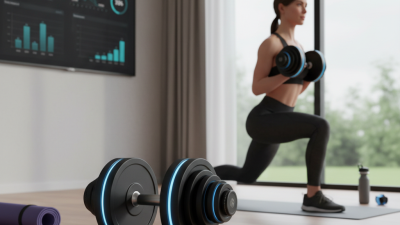
An Adjustable Barbell is a compact strength-training tool designed to change resistance without requiring a full rack of fixed bars. Its handle connects with removable plates, sliding weight blocks, or a selector mechanism. A locking collar keeps the load secure during each repetition. The exact design varies, so buyers should inspect the locking system carefully.
Compared with a traditional Olympic barbell, an Adjustable Barbell can save storage space and reduce equipment costs. It may fit beneath a bed, inside a closet, or beside a small home gym bench. Some models adjust in seconds, while others require loading plates by hand. That difference matters during supersets or fast-paced workouts.
Strength coach Dan John often says, “The goal is to keep the goal the goal.” This principle fits adjustable training equipment well. The tool should support safe, consistent lifting rather than distract from technique. A properly adjusted bar can serve squats, presses, rows, and controlled deadlifts. However, not every model handles heavy loads equally well. Some feel balanced at moderate weights but become awkward near their maximum capacity. That limitation deserves honest attention.
This guide explains how an Adjustable Barbell works, how its adjustment system changes resistance, and which features affect daily use. We will examine weight limits, grip comfort, plate security, movement range, and maintenance. Real-world details matter. A loose collar, noisy plate movement, or unclear adjustment markings can quickly undermine confidence. The best choice depends on your training goals, available space, and willingness to check the equipment before every session.
What an Adjustable Barbell Is: Modular Plates, Sleeves, and Collars
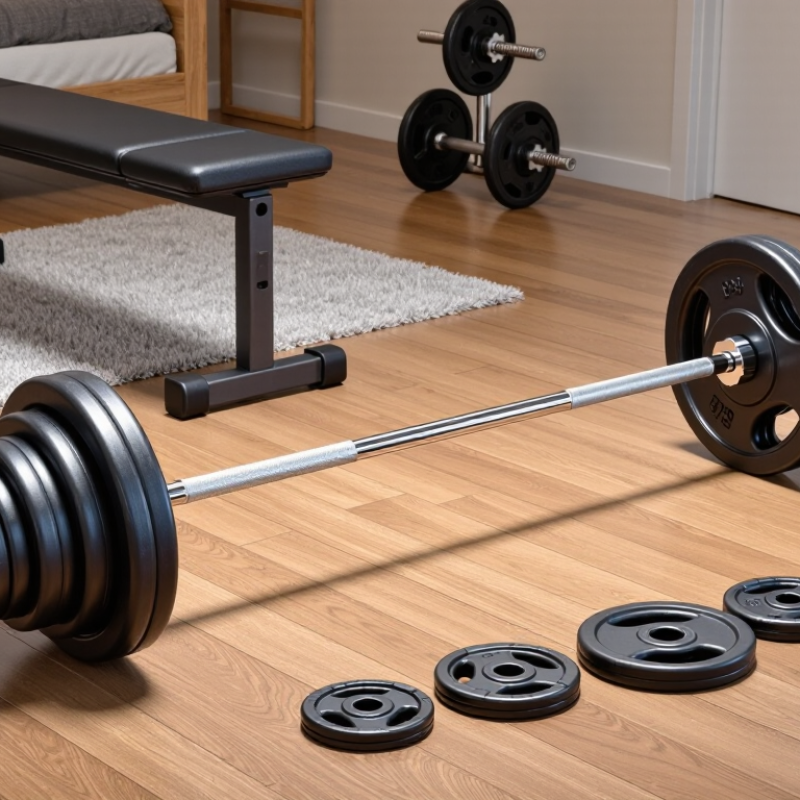
An adjustable barbell is a loadable bar designed for changing resistance. It uses modular plates, sleeves, and collars instead of one fixed weight.
Plates slide onto the bar’s sleeves. The sleeves are the rotating sections at both ends. They may use bushings or bearings to reduce torque during cleans and presses.
Collars then secure the plates against movement. Tight collars matter. Loose plates can shift suddenly and disturb balance.
The International Health, Racquet & Sportsclub Association reported 184 million fitness facility members worldwide in 2023. Its 2024 Global Report also valued the global fitness industry at about 96.7 billion dollars. These figures do not prove adjustable barbells caused growth. They show a large environment for strength equipment. The 2024 ACSM Worldwide Survey ranked traditional strength training eighth among global fitness trends.
In practical use, load both sides evenly. Keep heavier plates closest to the collar. Inspect sleeve rotation, welds, and collar grip before lifting. A bar may feel stable with light plates but reveal flex under heavier loads. I would not treat a published maximum load as a daily target. Real handling, storage, and user technique can reduce that margin. Space savings are useful, but modular parts create more points to inspect.
How Its Adjustable Mechanism Secures and Balances the Load
An adjustable barbell uses a central handle and movable weight sections instead of fixed plates. Its mechanism changes the load while keeping the bar practical for home training. Depending on the design, selector pins, threaded collars, or locking plates hold the chosen weight in place.
The safety process begins with full engagement. Each pin should slide completely into its opening, while threaded collars must sit firmly against the plates. A partial connection can allow movement during a lift. That is not a minor issue. The weight sections should match on both sides, creating a balanced center of gravity. Even a small mismatch can make the bar tilt, especially during presses or rows.
Before lifting, I check both ends by sight and touch. The plates should not rattle excessively, and the handle should remain centered. I also test the bar with a slow, unloaded movement. This simple step catches many setup errors. Still, the mechanism is not foolproof. Dust, worn threads, or a damaged locking part may reduce security. Manufacturer load limits and maintenance instructions deserve careful attention. I sometimes prefer a slightly slower adjustment when the lock feels stiff. Speed is less important than certainty. Keep the bar level during transitions, and avoid dropping it unless the equipment specifically permits that use.
What Is an Adjustable Barbell and How Does It Work?
An adjustable barbell uses removable weight plates and collars to change the load. Matching the same plate weight on both sides keeps the bar balanced, while the collars help secure the plates during movement.
The chart uses a 20 kg barbell with equal plates added to each side. The listed plate sizes are common metric weight increments; actual bar and plate specifications can vary.
IWF Benchmarks: 20 kg, 2.2 m, and 28 mm for Olympic Barbells
An adjustable barbell uses a central shaft, removable weight plates, and locking collars. You change the load by adding or removing plates. This design suits home gyms because one bar can support several training levels. However, an adjustable barbell may not match an Olympic barbell in size or movement quality.
For Olympic lifting, the International Weightlifting Federation benchmarks a 20 kg bar, 2.2 m length, and 28 mm shaft diameter. These measurements affect grip, balance, whip, and sleeve rotation. A 28 mm shaft usually feels comfortable for a secure hook grip. The 2.2 m length also creates a wider loading position. I have found that shorter adjustable bars can feel less stable during cleans or snatches. My first setup was not perfectly balanced, and the uneven plates changed the bar path. That mistake showed me why accurate loading matters.
Tips: Check the bar’s total length, shaft diameter, sleeve capacity, and collar fit before buying. Load equal plates on both sides. Tighten the collars firmly, but do not force damaged threads. Test an empty bar first. Some adjustable bars use thick sleeves, so standard plates may leave limited space. Also, not every adjustable model spins smoothly. That detail is easy to overlook, especially when online measurements appear similar.
How Plate Changes Alter Total Weight and Resistance Progression
An adjustable barbell uses removable plates to change training load without replacing the bar. The working weight equals the bar’s weight plus every plate loaded on both sides. For example, a 20-kilogram bar with two 10-kilogram plates weighs 40 kilograms.
Small changes matter. Adding 1.25 kilograms to each side increases total weight by 2.5 kilograms. That may represent a 6.25% increase at 40 kilograms, but only 2.5% at 100 kilograms. This difference affects resistance progression and explains why beginners often feel rapid improvements. The same plate also changes balance and starting stability. Squats, presses, and deadlifts may feel different, even when the total increase looks modest.
The World Health Organization recommends muscle-strengthening activities on at least two days weekly. ACSM guidance commonly supports controlled sets of roughly 8–12 repetitions for general strength development. These figures are useful, not absolute. Personal recovery, technique, and training age still matter. A practical progression is adding the smallest equal plate pair after completing all target repetitions cleanly. Stop there if form breaks.
Tips: Write down the bar weight, plate weight, repetitions, and perceived effort. Check both sides before lifting. Unequal loading can distort movement and increase instability. I sometimes treat the scale as the whole story, but it is not. Range of motion, tempo, and fatigue can change resistance more than a small plate adjustment.
What Is an Adjustable Barbell and How Does It Work? - How Plate Changes Alter Total Weight and Resistance Progression
Example loading progression based on a 20 kg bar, a 2.5 kg pair of collars, and evenly loaded plates on both sides
| Step |
Plate Configuration |
Plate Weight per Side |
Total Plate Weight |
Bar + Collars |
Total Loaded Weight |
Increase from Previous Step |
How Resistance Changes |
| 1 |
Bar only |
0 kg |
0 kg |
22.5 kg |
22.5 kg |
— |
Starting resistance comes from the bar and collars alone. |
| 2 |
1.25 kg plate on each side |
1.25 kg |
2.5 kg |
22.5 kg |
25.0 kg |
+2.5 kg |
A small, balanced increase suitable for gradual progression. |
| 3 |
2.5 kg plate on each side |
2.5 kg |
5.0 kg |
22.5 kg |
27.5 kg |
+2.5 kg |
The external load increases while the bar’s mass remains constant. |
| 4 |
5 kg plate on each side |
5.0 kg |
10.0 kg |
22.5 kg |
32.5 kg |
+5.0 kg |
The load is now 10 kg above the bar-and-collar starting weight. |
| 5 |
5 kg + 2.5 kg plate on each side |
7.5 kg |
15.0 kg |
22.5 kg |
37.5 kg |
+5.0 kg |
Adding equal plates preserves left-to-right balance and increases total resistance predictably. |
| 6 |
10 kg plate on each side |
10.0 kg |
20.0 kg |
22.5 kg |
42.5 kg |
+5.0 kg |
The bar now carries nearly the same mass in plates as its own bar-and-collar weight. |
| 7 |
10 kg + 5 kg plate on each side |
15.0 kg |
30.0 kg |
22.5 kg |
52.5 kg |
+10.0 kg |
A larger jump may be appropriate for strong compound lifts but can be excessive for isolation exercises. |
| 8 |
15 kg plate on each side |
15.0 kg |
30.0 kg |
22.5 kg |
52.5 kg |
+0 kg |
Different plate combinations can produce the same total weight. |
|
Calculation: Total loaded weight = bar weight + collar weight + total plate weight. For balanced loading, total plate weight equals twice the plate weight placed on one side. Actual adjustable-barbell limits vary by bar length, sleeve capacity, plate diameter, and manufacturer specifications.
|