Choosing the best Home Weight Set in 2026 requires more than comparing prices and plate counts. Your available space, training goals, strength level, and storage habits all matter. A compact adjustable set may suit a bedroom corner, while a fixed dumbbell set may better serve frequent lifters.
Measure first.
Leave enough room to lift safely, place weights down, and move around furniture. Check each handle’s diameter, texture, and grip comfort. A rough, sharp handle can quickly make a simple workout unpleasant. Adjustable systems also need secure collars and smooth weight changes.
Dr. Brad Schoenfeld, a respected exercise science researcher, often emphasizes this practical principle: “The best training program is the one you can stick with.” The same idea applies to equipment. A technically impressive Home Weight Set is useless if changing plates feels frustrating or the set remains buried in a closet.
Look for honest specifications, clear warranty terms, and reliable customer support. Verify the total weight, increment options, construction materials, and maximum load. Some sets advertise heavy capacities but feel unstable during pressing or rowing. That detail deserves attention.
Think about your real routine.
Will you train three times weekly, or only occasionally? Will beginners share the set? Do you need quiet rubber-coated plates for an upstairs apartment? These questions shape a better decision than brand popularity alone.
There is no perfect set.
The best choice balances safety, progression, comfort, durability, and daily convenience. This guide examines those factors closely, while acknowledging one uncomfortable truth: even the finest equipment cannot replace consistent use.
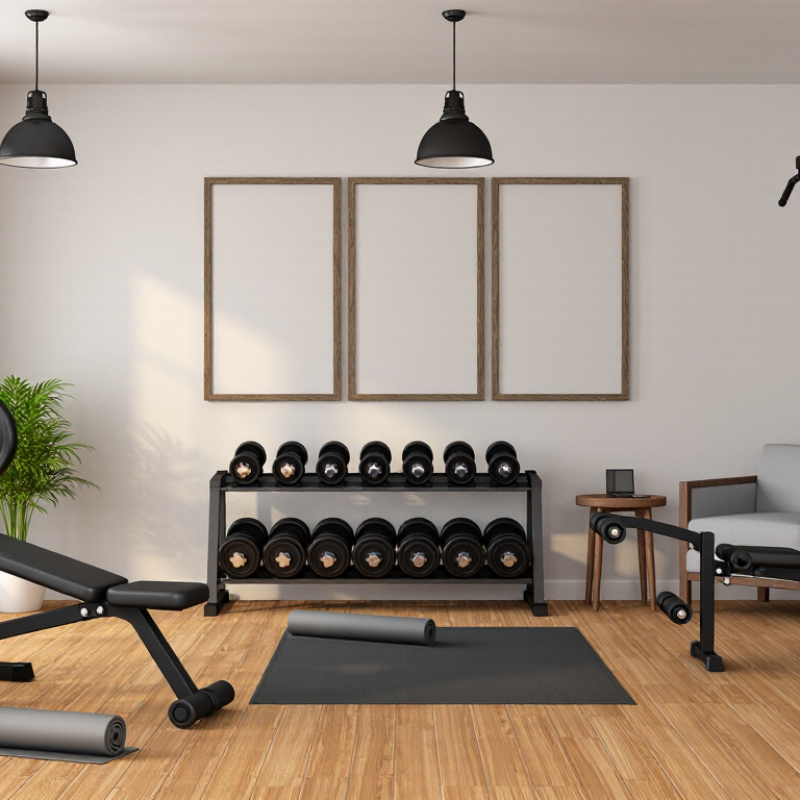
Home weight sets are collections of free weights designed for strength training in limited spaces.
They may include dumbbells, weight plates, bars, collars, or storage supports. Most sets fall into fixed and adjustable categories. Fixed dumbbells are ready to use and feel stable during exercises. Adjustable dumbbells save space, but changing plates can interrupt a workout. Small homes often benefit from their compact design.
Dumbbell sets support presses, rows, curls, lunges, and many single-arm movements.
Barbell sets allow heavier squats, deadlifts, and chest presses, but they need more floor space and careful loading.
Kettlebells suit swings, carries, goblet squats, and full-body movements.
Weight plates can work with bars or alone, although plate handling requires secure grips.
A useful set should match your current strength, available room, flooring, and training goals.
Beginners may need smaller jumps between loads, while experienced lifters may need heavier plates. Examine handles, locking mechanisms, plate edges, and written safety guidance before buying.
The overlooked detail is noise. Rubber-coated weights can reduce impact on hard floors, but they may still disturb nearby rooms.
One easy assumption is that more weight always means better value. That assumption needs testing.
A set that is difficult to adjust may remain unused, despite its impressive capacity. Leave clear space around the equipment, and avoid lifting beyond controlled form.
Choosing the best home weight set in 2026 starts with an honest fitness goal. Strength, muscle growth, mobility, and general health need different loads. I train more consistently when equipment supports my real routine, not an imagined one. For full-body workouts, adjustable weights can support squats, rows, presses, and carries. Beginners should select manageable resistance and increase it gradually. Heavier is not always better. Check grip comfort, weight markings, and adjustment security before buying.
Space and budget matter just as much. Measure the workout area, including room to extend your arms safely. A compact adjustable set may suit a bedroom, while fixed weights need more storage. Protect the floor with a rubber mat, especially in apartments. Your budget should include the set, mat, storage, and possible replacement parts. I once focused too heavily on the purchase price. The missing storage quickly became an annoying problem. That experience changed how I compare equipment.
Tips: Write down three exercises you will perform weekly. Choose weights that allow controlled movement, with the final repetitions feeling challenging. Avoid buying a large set before testing your available space. Read safety instructions and inspect handles regularly. If your goal is unclear, start with a versatile, moderate set and review your progress after four weeks. Small records help reveal whether the equipment truly fits your life.
Compare typical 2026 planning costs for common home weight-set configurations. Adjustable dumbbells usually provide the best balance of exercise variety, compact storage, and moderate budget, while a barbell-and-plate setup offers the highest loading potential but requires more space and investment.
Figures show representative midpoints of common generic retail configurations in USD: fixed dumbbell pairs, adjustable dumbbells, kettlebell sets, and a barbell with plates. Actual prices, weights, and storage requirements vary by configuration.
Choosing the best home weight set starts with usable capacity, not the largest printed number. ACSM’s 2025 Worldwide Survey of Fitness Trends ranked traditional strength training fifth, showing continued demand for basic resistance equipment. Check the total load, handle rating, and locking mechanism separately. A 20-kilogram set may feel limiting after several months. Leave room for progression.
Adjustability matters in small rooms. Plates with secure collars can support presses, rows, squats, and lighter rehabilitation work. However, fast adjustments may trade stability for convenience. Test the lock with dry hands. It should not wobble when the handle changes direction. Short handles also reduce wrist strain during curls and lateral raises. Small detail. Often missed.
Material choices affect noise, durability, and maintenance. Solid steel handles resist bending, while cast-iron plates usually tolerate repeated loading better than thin hollow pieces. A protective coating can reduce floor damage, but it may chip after rough drops. The World Health Organization recommends muscle-strengthening activities on at least two days weekly in its Guidelines on Physical Activity and Sedentary Behaviour, 2020. That frequency makes comfort and reliability important. Inspect threads, welds, and plate edges before each session. Keep weights away from damp floors and children. A useful admission: capacity charts rarely explain how equipment behaves after months of careless storage. Safety depends on habits, not hardware alone.
For general strength, adjustable dumbbells offer useful load changes without filling an entire room. A fixed pair can feel more stable during presses and rows. I prefer sets with secure collars, comfortable handles, and clearly marked weight plates. Small details matter when your palms are sweaty.
Match the set to your available space and current ability. A beginner may need lighter plates for controlled squats, curls, and overhead presses. Stronger users should check the maximum load and whether the bar feels balanced. Your floor also matters. Rubber flooring can reduce noise and protect hard surfaces during careful placement.
Never drop weights unless the equipment and space are designed for it.
Use dumbbells for lunges, chest presses, rows, and single-leg exercises. Add a barbell for deadlifts or front squats if your technique is supervised and consistent.
I once chose a heavier set too early, and my form deteriorated within two weeks. That was a poor decision.
Progress should be gradual, with enough rest between demanding sessions. A simple training log can reveal whether you are adding weight, repetitions, or control.
If a handle loosens or a plate shows damage, stop using it and inspect the equipment before your next workout.
How to Choose the Best Home Weight Set in 2026?
A good weight set should fit your room before it fits your training plan. Measure the floor space, shelf height, and door clearance. Adjustable sets can save space, but their locking parts need regular checking. Keep weights on a stable rack, not beside a damp window or heater. Rubber flooring can protect both the equipment and your floor. I once underestimated storage space, and the set soon became a tripping hazard.
Tips: Choose a rack with a wide base and rounded edges. Leave enough room to lift safely. Wipe handles after sweaty sessions, then dry them fully. Inspect collars, pins, cables, and grips every few weeks. Small cracks or loose parts deserve attention. Do not ignore strange sounds.
Maintenance affects long-term value more than a low purchase price. Steel surfaces may need light protection in humid rooms. Moving parts should follow the manufacturer’s care instructions. Avoid harsh cleaners unless the manual permits them. A clear warranty should explain coverage, exclusions, repair methods, and replacement timelines. Save the receipt and registration details. Warranty language can be confusing, so read every condition carefully.
Consider replacement parts before buying. A cheaper set may become expensive if one missing component ends its use. Solid construction usually supports years of training, but no product is maintenance-free. My own mistake was choosing convenience over repair access. That choice looked sensible for a month.
| Weight Set Type | Typical Load Range | Approximate Storage Requirement | Maintenance Needs | Common Warranty Pattern | Long-Term Durability Considerations | Best Home Use | Long-Term Value |
|---|---|---|---|---|---|---|---|
| Fixed Hex Dumbbell Set | Approximately 2.5–50 kg per pair, depending on the set configuration | Requires a rack or several shelves; a full set can occupy about 0.5–1.5 m² of floor space | Wipe off sweat after use; inspect handles and rubber or urethane heads; keep away from prolonged moisture | Often 1–5 years for manufacturing defects; commercial-use coverage may differ | Very durable because there are few moving parts; welded or press-fitted handles should be checked periodically | Fast transitions, strength training, and shared household use | High when used frequently |
| Selectorized Adjustable Dumbbells | Commonly about 2–24 kg per dumbbell; some systems reach approximately 32–40 kg | Usually needs only 0.15–0.30 m² for the pair, plus clear space for handling | Keep adjustment mechanisms clean and dry; do not drop the dumbbells; inspect locking components regularly | Often 1–3 years for the mechanism and housing; accessories may have separate coverage | Space-efficient, but internal locking parts can be more sensitive to impact, dust, and incorrect loading | Small rooms, progressive training, and users replacing several fixed pairs | Very high when storage space is limited |
| Plate-Loaded Adjustable Dumbbells | Usually about 2–25 kg per dumbbell, depending on the number and size of plates | Compact handles plus plates; approximately 0.25–0.60 m² when stored on a stable stand or shelf | Dry metal plates and collars after use; check threaded sleeves, locking nuts, and plate edges for wear | Often 1–3 years for handles and hardware; consumable or cosmetic parts may be excluded | Simple construction is repairable, but collars and threaded components can loosen or corrode if neglected | Budget-conscious users who want adjustable resistance | High with regular maintenance |
| Cast-Iron Kettlebell Set | Commonly 4–32 kg per kettlebell; heavier training sizes are also available | Needs a stable floor area of about 0.25–0.80 m² for a small-to-medium set | Clean and dry the handles; inspect coating for chips; use a protective mat on hard floors | Often 1–3 years for manufacturing defects; damage from drops is commonly excluded | Cast iron has a long service life; chipped coatings can expose metal to surface rust in humid areas | Swings, carries, full-body conditioning, and ballistic exercises | Very high for versatile training |
| Rubber-Coated or Neoprene Dumbbell Set | Typically about 0.5–10 kg per dumbbell for light to moderate home training | Small footprint; a compact tray or vertical stand generally requires about 0.20–0.50 m² | Wipe with mild soap and water; avoid harsh solvents, direct sunlight, and prolonged contact with damp floors | Often 1–2 years for manufacturing defects; surface wear is commonly treated as normal use | Comfortable and floor-friendly, but soft coatings can crack, peel, or develop odor with age and heat exposure | Beginners, mobility work, rehabilitation, and lighter resistance exercises | Moderate to high |
| Olympic-Style Barbell and Plate Set | Common home configurations range from approximately 50–150 kg total, including the bar | Requires a horizontal bar storage length of about 2.2 m plus approximately 0.5–1.5 m² for plates | Wipe and lightly protect the bar sleeves; inspect collars; store plates off damp concrete and check for damage | Often 1–5 years for bars, plates, and hardware; finish and wear coverage varies by component | High load capacity and long service life, but the bar needs protection from bending, rust, and improper storage | Squats, deadlifts, presses, and users planning heavier strength progression | Very high for advanced training |
| Resistance Band and Tube Set | Usually marked by approximate resistance levels from about 2–45 kg; combined resistance depends on setup | Very compact; a complete set can fit in a small drawer or storage bag of about 0.02–0.05 m³ | Inspect for cuts, flattening, discoloration, and stretched sections; keep away from heat, oils, and sharp edges | Often 90 days to 2 years; elastic wear and incorrect use are commonly excluded | Excellent portability, but latex and other elastomers naturally deteriorate over time even when lightly used | Travel, low-impact workouts, warm-ups, and limited-space training | High portability value; lower replacement life |
Notes: Load ranges, storage dimensions, and warranty periods are typical market ranges rather than specifications for a particular manufacturer. Always verify the current product manual, weight limits, warranty exclusions, and safe storage requirements before purchase.