Leave Your Message

Dumbbell Weight Set Buying Guide 7 Tips for Global Buyers

Choosing a Dumbbell Weight Set for international distribution is not a simple matter of comparing prices. A low quote may hide thin coatings, loose handles, inconsistent plate weights, or costly packaging. Global buyers need evidence, not confident promises. Product samples should be weighed on a calibrated scale, inspected for sharp edges, and tested on rubber or concrete flooring. Ask how the steel is treated, whether the grips remain secure after repeated use, and which standards the factory follows. Small details matter. A set that looks polished in photographs may feel unbalanced in a customer’s hand.

This guide presents seven practical tips for evaluating a Dumbbell Weight Set across markets, budgets, and shipping conditions. It considers fixed and adjustable designs, weight markings, storage needs, carton strength, supplier communication, and after-sales support. Buyers should compare landed cost rather than unit price alone, including freight, duties, inspection, and replacement risks. Regional preferences also deserve attention: kilograms may be expected in one market, while pounds dominate another. We have seen purchasing decisions improve when buyers request production photos, batch records, and a clear warranty before placing larger orders. Still, no checklist removes every uncertainty. Samples can pass inspection and later reveal uneven knurling or chipped paint. That possibility deserves honest planning. Reliable sourcing means verifying claims, documenting decisions, and leaving room to correct an imperfect choice before it reaches customers.
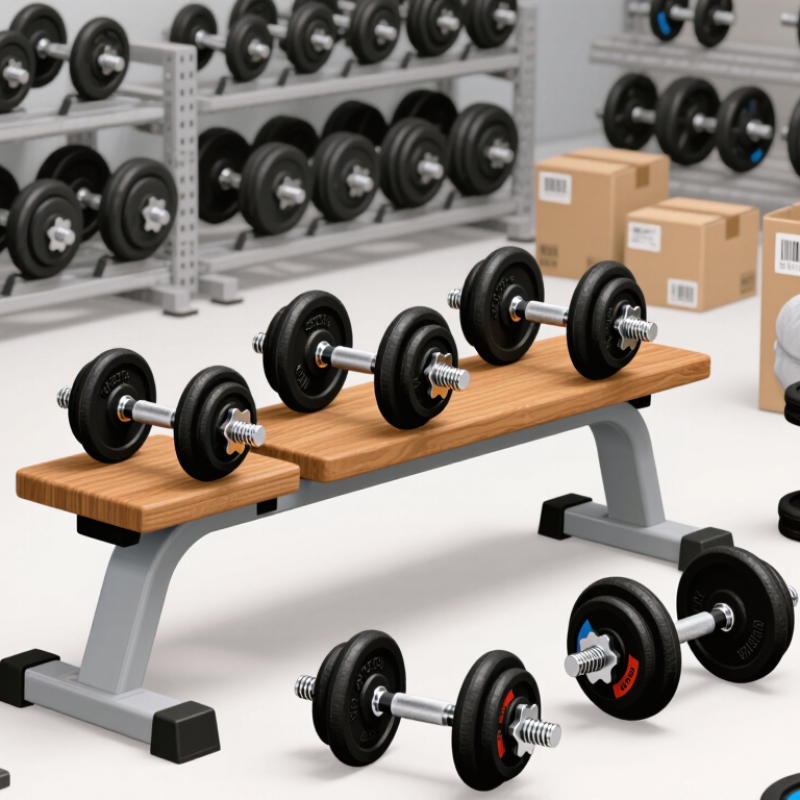
Dumbbell Weight Set Buying Guide 7 Tips for Global Buyers

Define the Load Plan: 2–50 kg Pairs, 1–2 kg Steps, and User Goals

A reliable dumbbell plan starts with the user, not the product photo. Define the training goal, experience level, and available space before selecting weights. Home users may need compact pairs, while gyms often require a wider commercial range. A practical system can cover pairs from 2 to 50 kg per dumbbell, with 1–2 kg increases between lighter options. Confirm the unit carefully. Some suppliers quote one dumbbell, while others quote the complete pair.

Tip: Map the load range to real exercises. A beginner may use 2–10 kg for raises and curls, but stronger users may need 20–50 kg for presses, rows, or deadlifts. Smaller 1 kg steps improve control during rehabilitation and early strength training. Larger 2 kg steps can reduce inventory and suit experienced lifters. Do not assume heavier always means better.

A useful buying sheet should show starting weight, progression steps, pair quantity, handle length, and storage needs. Ask for verified product dimensions and tolerance information. A 20 kg dumbbell should feel balanced, not merely meet a printed number. Test grip comfort with sweaty hands if possible. That detail is easy to overlook.

The load plan may still need revision after a trial period. Real users often progress unevenly. A neat chart can mislead. Review exercise performance every four to six weeks, then add weight only when form remains stable. For international purchasing, also check packaging strength, measurement units, and delivery conditions before approving the order.
Compare Materials: Cast Iron, Rubber, Chrome, and Urethane by Use

Dumbbell Weight Set Buying Guide 7 Tips for Global Buyers

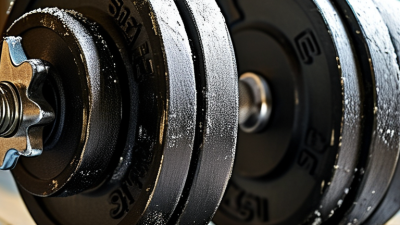
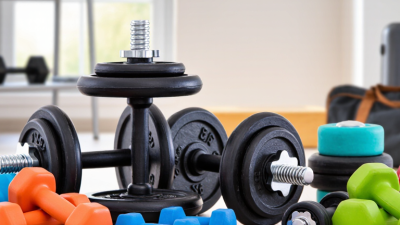
Material choice should follow the training environment, not fashion. Cast iron offers strong impact resistance and usually the lowest purchase cost. However, bare iron can rust in humid warehouses or coastal homes. Its sharp edges may also damage floors.

Rubber dumbbells reduce noise and protect flooring during busy sessions. A drawback remains: new rubber can carry a strong odor and may crack under ozone or direct sunlight.

Quiet matters.

Chrome suits controlled indoor use.

Its smooth surface resists light corrosion, but sweaty hands can make it slippery. Scratched chrome may expose weaker metal beneath. Urethane generally provides excellent abrasion resistance, low odor, and stable color. It costs more, though. That premium may be justified in hotels, rehabilitation rooms, and high-use facilities. Not always.

The Global Wellness Institute’s 2024 report valued the physical activity economy at 1.06 trillion dollars in 2022. ACSM’s 2024 fitness trends survey also kept strength training prominent, supporting continued demand for durable free weights.

Buyers should compare handle knurling, coating thickness, weight tolerance, and packaging protection. Ask for salt-spray or abrasion test results when importing. A 20-kilogram dumbbell still needs secure packaging.

I would not judge quality by surface shine alone; internal casting consistency and accurate weight matter more.

A common mistake is choosing rubber for every climate. In hot, poorly ventilated storage, the “safer” coating can age faster than expected.

Check Fit: 28–32 mm Handles, 120–150 mm Grips, and User Comfort

A comfortable dumbbell begins with the handle, not the plate finish. For global buyers, a 28–32 mm handle diameter offers a practical starting range for many adult users. Smaller hands may prefer 28 mm, while stronger users may appreciate the stability of 32 mm. Measure the usable grip, excluding collars. A 120–150 mm grip usually gives enough room for one hand without forcing the palm against the plates.

Fit still depends on the user. A 30 mm handle is not automatically better. I have found that knurling, coating, sweat, and sharp edges can change comfort within minutes. Test several repetitions with dry and damp hands.

The World Health Organization recommends muscle-strengthening activity on at least two days weekly, so repeated comfort matters. The ACSM 2024 Worldwide Survey of Fitness Trends ranked traditional strength training fifth, confirming continued demand for accessible resistance equipment.

Yet reports rarely capture small-hand discomfort. That gap deserves attention. A buyer may select a technically compliant set and still receive poor daily usability. Check grip length, surface texture, handle rotation, and clearance before comparing price or shipping weight.

Verify Safety: ISO 20957-1:2013, ASTM F2571, and QC Records

Dumbbell Weight Set Buying Guide: 7 Tips for Global Buyers

A safe dumbbell purchase starts with evidence, not polished photographs. Ask the supplier which standard covers the exact set, handle, plates, and storage tray. ISO 20957-1:2013 addresses general safety requirements for stationary training equipment. A loose dumbbell may not fit its scope. Confirm this point in writing. ASTM F2571 can support fitness-equipment design and performance testing, but its applicability also needs laboratory confirmation. Standards are not interchangeable.

Request the full test report, laboratory identity, test date, sample description, and failed-test history. Check whether the tested handle matches your order. Look for load cycling, grip security, sharp-edge checks, coating adhesion, and drop-related evaluations. Ask for the laboratory’s accreditation and report number. A certificate alone can mislead. It may cover another model. Inspect a production sample yourself, if possible. Feel the knurling. Turn each locking part. Listen for rattling.

QC records reveal what happens after testing. Request batch numbers, incoming steel checks, torque records, dimensional measurements, final weight tolerances, and carton-drop results. Photos should show gauges, labels, and packed goods, not only clean showroom scenes. Keep an approved sample for comparison. Require corrective-action records when defects appear. I have learned that suppliers often promise zero variation, which is unrealistic. Define acceptable limits instead. Recheck random cartons before shipment, especially across different factories or seasons. Small gaps matter.

Dumbbell Weight Set Buying Guide 7 Tips for Global Buyers - Verify Safety: ISO 20957-1:2013, ASTM F2571, and QC Records
No. Buying Tip Key Data Dimension What to Verify Before Purchase Recommended Evidence or Acceptance Criteria Risk Level
1 Confirm the Set Configuration Weight range, increments, quantity, and storage format Check whether the stated weight is the weight of one dumbbell, one pair, or the complete set. Confirm the number of pairs and the increment sequence. A complete packing list should identify each pair separately. For example: 2 × 1 kg, 2 × 2 kg, 2 × 3 kg, 2 × 4 kg, and 2 × 5 kg. The total net weight for this example is 30 kg. High
2 Verify Actual Weight Mass tolerance and measurement method Ask how each production lot is weighed and whether the declared mass includes or excludes handles, collars, end caps, and packaging. Require a calibrated scale record and a sample-weight report. The purchase specification should state the permitted tolerance, such as ±3% per dumbbell, unless a stricter tolerance is contractually agreed. High
3 Review Applicable Safety Standards Standard scope, edition, and test coverage Request a test report that clearly identifies the product type, model or configuration, test laboratory, test date, and clauses evaluated. Do not treat a general declaration as proof of full compliance. ISO 20957-1:2013 provides general safety requirements and test methods for stationary training equipment; confirm that its scope applies to the intended dumbbell product and use. ASTM F2571 is a fitness-equipment safety specification; request written confirmation of the applicable sections and any product-specific limitations. Required
4 Inspect Handle and Joint Safety Grip diameter, surface finish, fastening, and loosening resistance Check for sharp edges, exposed threads, cracked sleeves, loose end caps, unstable plates, and surfaces that become slippery during use. Require visual inspection records, fastening or torque records where applicable, and a documented functional check after repeated loading. Handles and weight components should remain secure without abnormal movement or noise. High
5 Check Material and Coating Quality Core material, coating, odor, corrosion, and surface durability Identify whether the weights are cast iron, steel, rubber-coated, vinyl-coated, or another material. Check coating uniformity, adhesion, odor, color consistency, and resistance to ordinary handling. Request material declarations and coating inspection records. Reject pieces with exposed sharp metal, peeling or bubbling coating, deep cracks, severe flash, excessive odor, or corrosion. For international shipments, request applicable chemical compliance documentation for the destination market. Medium
6 Evaluate Packaging and Shipping Protection Carton strength, internal protection, markings, and moisture control Confirm that heavy components cannot move freely inside the carton and that the packaging can withstand stacking, vibration, and normal international handling. Require a packaging specification, carton gross and net weights, drop or transport-test records where available, and clear handling marks. Each carton should identify quantity, declared weight, lot number, and country-of-origin information required by the destination. Medium
7 Demand Traceable QC Records Inspection plan, sampling, nonconformities, and corrective action Review incoming-material inspection, in-process inspection, final inspection, calibration status, sampling plan, defect classification, and release authorization. A useful QC file should include lot or batch identification, inspection date, inspector, sample quantity, measured results, photographs of defects, accepted/rejected quantity, corrective-action records, and a signed final release report. Keep records linked to the shipment and purchase order. Required
Buyer’s verification note: ISO 20957-1:2013 and ASTM F2571 should be evaluated according to their stated scope and the intended use of the product. A certificate, declaration, or test report should identify the exact product configuration and test coverage; it should not be accepted as blanket evidence for every dumbbell set or every market.

Audit Global Costs: AQL 1.5/2.5, Incoterms 2020, and Container Capacity

Dumbbell Weight Set Buying Guide: Audit Global Costs

Global dumbbell purchasing requires more than comparing unit prices. Audit every cost before approving a supplier. Request recent factory inspection records, material specifications, and carton measurements. Check handle welding, weight tolerance, coating thickness, and packaging strength. A polished sample can hide inconsistent production.

Use AQL 1.5 for critical defects, such as unsafe handles or loose plates. Use AQL 2.5 for major defects, including incorrect weight markings or damaged coatings. These levels guide sampling; they do not guarantee every unit is perfect. Define defect classifications in the purchase contract. I have seen buyers accept unclear inspection terms, then dispute results after shipment.

Tips: Ask for an independent pre-shipment inspection. Record tested weights and carton photos. Keep one approved sample for comparison. Calculate container capacity using packed carton dimensions, not product dimensions. Steel dumbbells are dense, so the container may reach its weight limit before its volume limit. A loading plan should show pallet height, carton orientation, and remaining space. Do not assume a full container means efficient loading.

Incoterms 2020 must match your actual logistics control. Under FOB, confirm who handles export clearance and loading responsibilities. Under CIF, verify insurance coverage and destination charges separately. Under DDP, check whether the seller can legally manage local import procedures. Freight rates change, and small misunderstandings become expensive. One overlooked port fee can erase a seemingly attractive factory price.