10 Essential Tips for Using Rubber Coated Dumbbells Effectively
Rubber-coated dumbbells are a staple in many home and gym settings. They offer a versatile tool for various workouts. Their weighty structure allows for strength training, targeting specific muscle groups. Yet, effective use requires more than just picking them up. Many users neglect proper form and technique, which can lead to injuries.
As you incorporate rubber-coated dumbbells into your routine, awareness is crucial. It’s easy to fall into bad habits like improper grip. Additionally, mixing up your exercises can prevent boredom and enhance progress. Exploring different movements is encouraged. However, be mindful; overexertion can lead to burnout or harm.
Taking the time to learn is essential. Rubber-coated dumbbells may seem simple, but they can be complex. Finding the right weight is key. Start light if unsure, and gradually increase as you build strength. A focus on these details will lead to better results and enhance your overall experience.
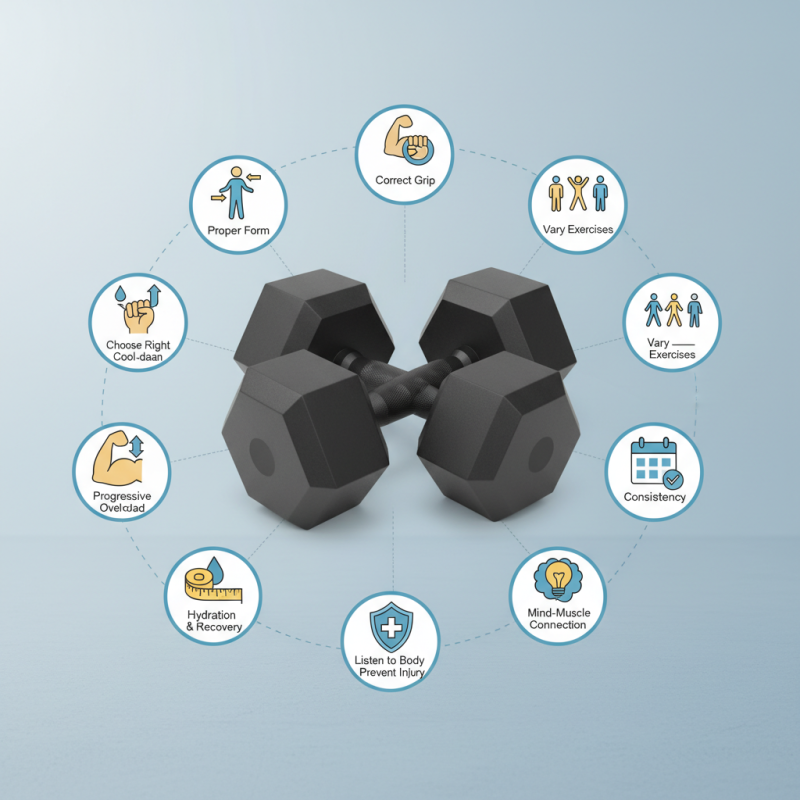
Choosing the Right Weight for Your Rubber Coated Dumbbells
Choosing the right weight for your rubber coated dumbbells is crucial for effective workouts. The wrong weight can lead to poor form and potential injuries. Beginners often underestimate how heavy the weights feel during exercises. Start with lighter weights to master your technique. It’s better to focus on your form than to lift heavy and risk injury.
Consider your fitness goals. If you aim to build strength, choose a weight that challenges you while maintaining good technique. For endurance training, lighter weights with higher repetitions work best. Don't be afraid to adjust your weight as you progress. You might find that your initial choice feels too easy after a few sessions. Regularly reassess your strength levels. Sometimes, it’s difficult to admit when you’ve outgrown your weights.
Listen to your body. If you feel strain, it may be time to lower the weight. Over time, weights that once felt demanding can start to feel manageable. This is a sign to increase the challenge. Track your workouts and note when you're ready to progress. Pay attention to your muscle fatigue. It's okay to have off days where lifting feels tougher than usual. Don't push through pain; modify your weights accordingly.
10 Essential Tips for Using Rubber Coated Dumbbells Effectively
| Tip Number |
Tip Description |
Recommended Weight (lbs) |
| 1 |
Start with a weight you can lift comfortably for 12-15 reps. |
5-10 lbs |
| 2 |
Focus on proper form to prevent injuries. |
Varies |
| 3 |
Incorporate a variety of exercises into your routine. |
Varies |
| 4 |
Gradually increase weight as your strength improves. |
10-15 lbs |
| 5 |
Perform both compound and isolation exercises. |
Varies |
| 6 |
Ensure you warm up and cool down properly. |
N/A |
| 7 |
Use mirrors to check your form during workouts. |
N/A |
| 8 |
Stay hydrated and maintain proper nutrition. |
N/A |
| 9 |
Consider training with a buddy for motivation and safety. |
N/A |
| 10 |
Track your progress to stay motivated. |
N/A |
Proper Grip Techniques for Enhanced Stability and Performance
When using rubber coated dumbbells, proper grip techniques are crucial. A secure grip enhances stability and performance during workouts. Start by positioning your hands so that they fully wrap around the handle. This creates a solid foundation, allowing you to lift weights safely. If your grip feels weak, consider adjusting your hand position.
One common mistake is gripping too tightly. A tight grip can create tension in your forearms and limit movement. Instead, find a balance. Maintain enough grip to control the dumbbell without excessive pressure. Relax your shoulders and focus on your form to ensure fluid motion. This approach not only improves performance but also reduces the risk of injury.
Focus on your grip throughout your workout. Remind yourself to reassess it regularly. Is it comfortable yet firm? Are you shifting your hands? Small adjustments can lead to significant improvements. Paying attention to these details may require extra effort, but it pays off. Enhanced grip technique can elevate your exercise game.
Safety Tips to Prevent Injuries While Using Dumbbells
Using rubber-coated dumbbells can enhance your workout, but safety should always come first.
One critical tip is to inspect your dumbbells before each session.
Look for any signs of wear or damage. A frayed handle can lead to loss of grip. Ensure the weights are fitted securely.
Loose weights can become dangerous.
Warm-up is essential. It prepares your muscles for lifting. Spend at least five to ten minutes on dynamic stretches.
This practice can prevent strains and sprains. Pay attention to your form.
Poor techniques can cause injuries. Start with light weights to master your movements, then
gradually increase the load.
Listen to your body during workouts. If you feel pain, stop immediately. Pushing through pain can lead to serious injuries.
Stay hydrated, too. Dehydration affects your performance and increases the risk of cramps. It's essential to rest adequately
between sets. Overworking your muscles can lead to fatigue and injury. Always be mindful of your limits as you train.
Maintenance and Care for Longevity of Rubber Coated Dumbbells
Proper maintenance of rubber coated dumbbells is crucial for their longevity. Regularly inspect your dumbbells for any signs of wear or damage. Look for cracks or peeling rubber. Even minor damage can lead to bigger issues later. Clean them after every workout to remove sweat and dirt. Use a damp cloth for this task, and avoid harsh chemicals that can degrade the rubber.
Storing your dumbbells correctly also matters. Keep them in a designated space, ideally on a rack. Avoid leaving them on the floor, which can lead to scratches. Ensure they are not exposed to extreme temperatures. Heat can cause the rubber to warp, reducing its lifespan. Remember, neglecting minor maintenance can result in costly replacements. Small efforts go a long way in keeping your dumbbells effective and durable.