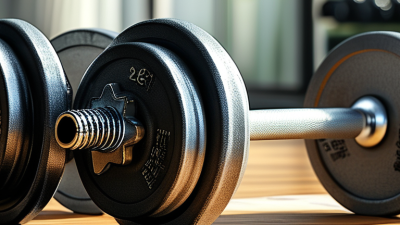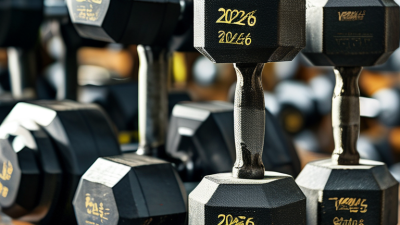
Choosing the right Adjustable Dumbbells can transform a small corner into a practical home gym. Yet the highest price does not guarantee the best training experience. A heavy-looking pair may feel awkward, rattle during presses, or occupy too much floor space.
Dan John, a respected strength coach and author, offers a useful reminder: “Keep the goal the goal.” That idea matters when comparing Adjustable Dumbbells. Your goal may be simple strength, muscle growth, rehabilitation, or flexible home workouts. Each purpose demands different features. A beginner may need a clear weight range and secure locking system. An experienced lifter may prioritize heavier maximum loads, faster adjustments, and stronger handles.
Real-world details often decide satisfaction. Can you change the weight with sweaty hands? Does the adjustment mechanism work smoothly after repeated use? Will the dumbbells fit beside your sofa, under a bench, or inside a narrow cabinet? These questions deserve more attention than attractive packaging.
Some compromises are unavoidable. Compact models can feel less natural than fixed dumbbells. Selector systems may save time but require careful handling. I have also found that “fast adjustment” sometimes means sacrificing stability. That is not always a dealbreaker, but it deserves honest consideration.
This guide compares weight increments, construction, grip comfort, durability, safety, storage, warranty support, and value. It also separates laboratory-style claims from everyday training realities. The best Adjustable Dumbbells are not simply the strongest or cheapest. They are the ones you can adjust confidently, use consistently, and store without frustration. Expect a few trade-offs. That is normal.
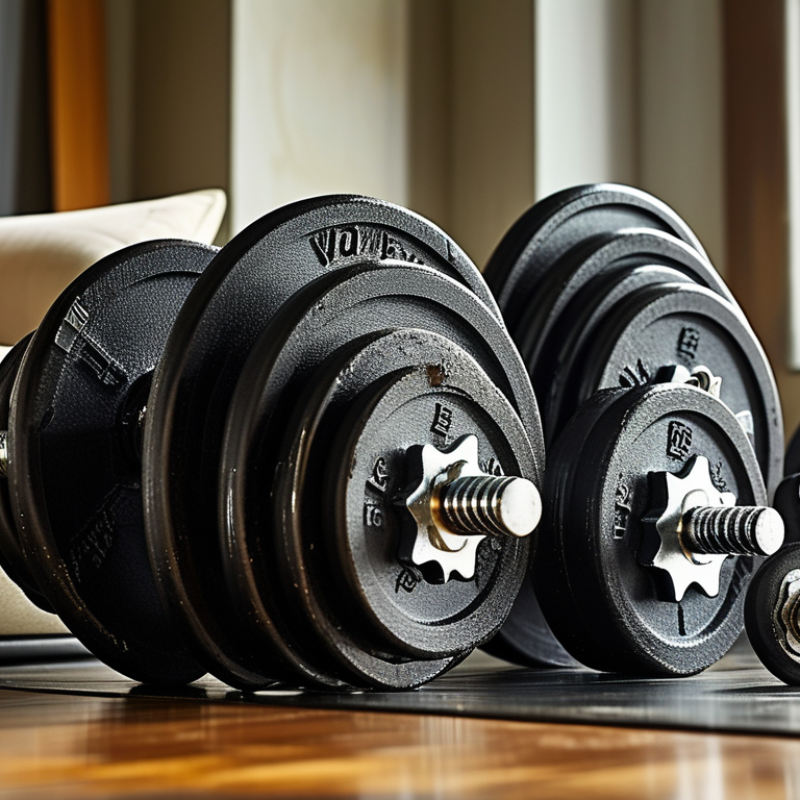
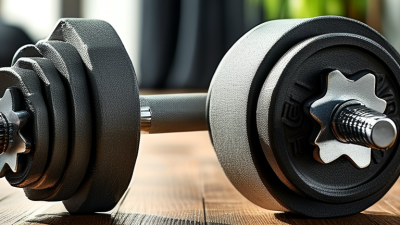
Adjustable dumbbells use different weight systems, and the design changes how they feel in your hands. Plate-loaded models use small plates secured with collars. They are simple and usually easy to repair. However, changing weights between sets can feel slow.
Selectorized designs use a dial or pin to choose resistance. They save space, but their internal parts may need careful handling.
Twist-lock systems change weight through rotating handles or end sections. They are convenient for home workouts and quick circuits. Check whether the locking mechanism feels firm before lifting. A loose connection can create noise, uneven movement, or unnecessary risk.
Some models use a central handle with stacked plates, while others keep unused plates inside a cradle. The second design gives a cleaner floor area, but it may limit certain exercises.
I once focused on the highest available weight and ignored the smallest increments. That choice was not ideal. Smaller increases can support steady progress, especially for shoulder raises and arm exercises.
Examine the handle diameter, grip texture, weight balance, and adjustment speed. A dumbbell should sit naturally in your palm, not pull sharply toward one side.
Also check the stated weight carefully, because some systems list the handle separately. There is no perfect design. A compact system may feel less stable, while a heavier traditional system may occupy more storage space.
Test the adjustment motion several times before deciding. Five minutes can reveal more than a polished product description.
How to Choose the Best Adjustable Dumbbells?
Your training goal should guide the weight range, handle design, and adjustment system. For muscle building, choose dumbbells that support gradual increases, such as two to five-pound steps. For general fitness, lighter weights may cover presses, rows, lunges, and shoulder exercises. If you train for strength, check the maximum load carefully. A heavy-looking set may still limit your progress. Start lighter. Technique matters more than ambition.
Measure your training space before buying. A pair may fit beneath a bench, but the adjustment trays still need clear floor space. Leave enough room to lift without striking a wall, shelf, or ceiling fan. In my home setup, I once underestimated handle length during lateral raises. That mistake made a narrow room feel unusable. Measure twice. Also inspect the grip diameter, locking mechanism, and weight labels. Adjustments should feel secure and simple, even when your hands are sweaty. A complicated system can interrupt your workout and encourage rushed choices.
Consider your current strength and realistic progression. Beginners often benefit from smaller increments, while experienced lifters may need a wider range. Test the lightest setting for controlled movements and the heaviest setting for compound exercises. The exact load should let you complete repetitions with steady form, not painful swinging. Training advice from a qualified fitness professional can help if you have injuries or uncertain technique. I would also question impressive specifications until the dumbbells feel balanced in both hands. Numbers are useful, but daily handling reveals more.
Choosing the best adjustable dumbbells starts with the weight range. A beginner may need 2.5 to 25 kilograms, while stronger lifters may require more. Check the smallest increase available, because small jumps help maintain good form. I have found that a wide range is useful, but unused weight can make the set bulky and expensive.
Adjustment methods affect both speed and confidence. Dial systems change weight quickly, while pin systems usually feel more direct and easier to inspect. Plate-loading designs can be slower, especially between high-repetition sets. Test the locking mechanism before buying. It should move smoothly and hold firmly without excessive wobbling. My own mistake was choosing speed over simplicity. The quick mechanism felt convenient, but it demanded more careful checking than expected.
Handle comfort matters during presses, rows, and longer workouts. Look for a grip that feels secure without sharp edges or slippery coating. A handle that is too thick may strain smaller hands. A narrow handle can feel harsh during heavy lifting. Try holding the dumbbell for one quiet minute. Notice pressure around your fingers and palm. Check the balance as well, since uneven weight can twist your wrist. Comfort is personal, and online measurements cannot fully replace this small test.
How to Choose the Best Adjustable Dumbbells?
Safety should guide every comparison. Choose a locking system that gives a clear click or visible weight confirmation. The handle should feel secure, even with sweaty palms. Before each session, check that both adjustment points sit evenly. Never lift if a plate appears loose. I once assumed a smooth selector meant better quality, but its resistance was difficult to judge. That small uncertainty changed my buying criteria.
Durability depends on materials and construction. Look for solid metal weight plates, reinforced adjustment parts, and a grip that resists cracking. Examine the connection between the handle and plates closely. Small gaps can collect dust and affect movement. A protective finish also helps prevent rust in humid rooms. However, durable does not mean indestructible. Dropping adjustable dumbbells may damage internal parts, even when the exterior looks fine.
Storage affects both safety and lifespan. Use a stable tray on a level floor, with enough clearance for the plates. Keep the dumbbells away from direct moisture and crowded walkways. After training, wipe away sweat with a slightly damp cloth, then dry the surfaces completely. Check screws, pins, and selectors regularly for unusual looseness. Avoid adding oil unless the manufacturer’s instructions permit it. Maintenance is easy to postpone. That is exactly why it matters.
| Adjustable Dumbbell Type | Typical Weight Range per Dumbbell | Weight Increment | Safety Features to Check | Durability Considerations | Storage Requirements | Maintenance Needs | Best Use Case |
|---|---|---|---|---|---|---|---|
| Selectorized Plate-and-Collar | 2–24 kg | 1–2 kg | Threaded collars, fully engaged threads, and evenly loaded plates on both ends | Steel handles and collars resist wear; painted plates may chip if dropped | Compact when plates are stacked; a small rack or tray helps prevent loose parts | Tighten collars before use; wipe sweat from metal surfaces after training | Budget-conscious home training |
| Selector-Dial System | 2–24 kg | 1–2 kg | Locking dial, audible click or visual indicator, and a mechanism that prevents adjustment while lifted | More moving parts require closer inspection; metal internal components generally improve service life | Usually stored in a dedicated molded tray; keep the dial free from dust and impact | Clean selector tracks with a dry cloth; do not use oil unless specified by the manufacturer | Fast weight changes between sets |
| Selector-Pin System | 2–32 kg | 1–2 kg | Locking pin must pass completely through the selected slot; check for a retaining stop | Pins and rails can bend if dropped; reinforced guides improve long-term reliability | Requires a stable base or tray to keep the pin mechanism aligned | Inspect the pin, slot, and guide rail regularly for damage or looseness | Progressive strength training |
| Block-Style Selector | 2–27 kg | 1–2.5 kg | Secure locking tabs, stable weight blocks, and no visible gaps between selected plates | Durable for controlled movements; plastic tabs may wear faster under rough handling | Often has a larger footprint but stores neatly in its supplied cradle | Remove dust from locking tabs and avoid dropping the blocks onto hard floors | General fitness and circuit workouts |
| Fixed-Head Add-On System | 2–20 kg | 2–4 kg | Threaded or bayonet-style connection must lock fully before lifting | Fewer adjustment components can improve durability; connection points still need periodic checks | Individual heads may require more shelf space than plate-based systems | Check connection surfaces and keep threads clean and free of grit | Users who prioritize a traditional dumbbell feel |
| Compact Travel System | 1–12 kg | 0.5–1 kg | Positive locking mechanism, non-slip grip, and a base that prevents parts from shifting during adjustment | Lightweight materials reduce carrying weight but may be less resistant to drops | Small storage footprint; suitable for a drawer, cabinet, or travel case | Dry the handles after use and protect the adjustment parts during transport | Apartments, offices, and travel |
| Heavy-Duty Commercial-Style System | 5–40 kg | 1–2 kg | Redundant locking, reinforced handle connection, clear weight markings, and a stable adjustment cradle | Steel construction and impact-resistant coatings support frequent use; higher weight increases floor impact risk | Needs a strong rack or reinforced shelf with adequate clearance for larger handles | Frequent inspection of fasteners, locking parts, handle surfaces, and storage cradles | High-volume strength training |
| Selection guideline: Choose a system with a clearly visible locking status, a weight range suited to your current and planned training, corrosion-resistant metal parts, a stable storage tray, and replacement components that can be obtained when needed. Always inspect the locking mechanism before each use and avoid dropping adjustable dumbbells. | |||||||
How to Choose the Best Adjustable Dumbbells?
Selecting the best adjustable dumbbells depends on your budget, training space, and weekly routine. The ACSM 2024 Worldwide Survey ranked traditional strength training fifth among global fitness trends. That supports a simple point: strength work remains practical, not temporary. However, one adjustable set cannot suit every lifter. A beginner may need 2.5-kilogram increases, while an experienced user may need heavier loads and smaller jumps.
Start with your actual exercises. Goblet squats, rows, presses, and Romanian deadlifts require different resistance levels. Check the maximum load, adjustment speed, handle comfort, and locking system. A cheaper model may save money initially. It can also interrupt your workout if changes feel slow or awkward. I would rather buy fewer reliable plates than chase the highest advertised weight. HFA’s 2024 Consumer Report recorded 72.9 million U.S. fitness-facility members in 2023, showing how varied modern training routines have become. Your home routine still deserves careful selection.
Tips: Write down your main exercises for one week. Note the lightest and heaviest weights used. Choose a model covering that range, with room for gradual progress. Test the handle with sweaty hands, if possible. Also measure your storage space. Small details matter. Recheck your choice after a month. The perfect model may not exist.