2026 How to Use Heavy Dumbbells for Maximum Strength Gains?
Using heavy dumbbells can be a game-changer for strength training. They engage multiple muscle groups and boost overall power. However, many people misuse them. This guide will help you maximize your gains.
It’s important to target the right muscles with heavy dumbbells. Whether you’re training for athletic performance or general fitness, proper form matters. Misalignment can lead to injuries. Always be mindful of your posture and movements.
Start with a manageable weight to master techniques. Gradually increase the load as your strength improves. Experiment with various exercises to find what works best for you. Reflect on your progress regularly. Not all methods will yield the same results. Adapting your approach is key to success. Heavy dumbbells can be effective, but only if used correctly.
Understanding the Benefits of Heavy Dumbbells for Strength Training
Heavy dumbbells are a game-changer in strength training. Using them effectively can bring significant results. They help in building muscle mass and improving overall strength. When lifting heavy, the body experiences muscular tension. This tension encourages muscle fibers to grow stronger. The right technique is crucial to reap these benefits.
One of the advantages of heavy dumbbells is their versatility. They can target various muscle groups. From chest to legs, heavy lifts can enhance performance. A common mistake is neglecting proper form. Dropping weights or hurrying through reps can lead to injuries. Focus on controlled movements. Engage the core to protect your back.
Incorporating heavy dumbbells into your routine requires a progressive approach. Start with weights you can manage. Gradually increase the load as you gain strength. It’s important to listen to your body. Fatigue is a signal, not a weakness. Strive for balance, and never rush improvements. Understand that growth takes time and effort.
Choosing the Right Weight: How to Determine Your Optimal Dumbbell Level
Choosing the right weight for heavy dumbbells
is crucial for maximizing strength gains. A study from the National Strength and Conditioning Association highlights that selecting appropriate weights improves performance and reduces injury risk. When starting, it's essential to understand your current fitness level and training goals.
For beginners, a common recommendation is to select dumbbells that allow for
8-12 repetitions before fatigue sets in. This range typically balances strength and endurance. If you can perform more than 12 reps easily, it may be time to increase the weight. Conversely, if you struggle to reach eight reps, it’s wise to decrease the weight to maintain form and avoid injuries.
Pay attention to how your body reacts. If you consistently find yourself unable to complete reps or are overly sore, adjustments are needed. Listening to your body fosters a more effective training regimen.
Consult with fitness professionals or use reliable strength-training resources for guidance. Studying your progress closely will help refine your weight selection over time.
Essential Techniques and Form for Heavy Dumbbell Exercises
Using heavy dumbbells effectively requires attention to form and technique. Proper posture is crucial. For instance, when performing a bench press, ensure your back is flat on the bench and feet are firmly on the ground. A common mistake is flaring the elbows too wide, which can lead to injuries. Keep your elbows at a slight angle to maximize strength while minimizing stress on your shoulders.
Breathing plays an essential role in lifting heavy weights. Exhale during the effort phase and inhale as you lower the dumbbells. This technique supports core stability. A solid core helps maintain balance during exercises like the dumbbell squat. Often, people rush through movements, compromising form. Slow and controlled reps not only enhance strength gains but also ensure proper alignment.
Another vital aspect is range of motion. Don't restrict your movement to show off weight. For maximum benefits, lower the dumbbells fully during curls and extensions. Many lifters neglect this, but achieving a full stretch can significantly affect muscle growth. Remember, quality over quantity is key in weightlifting. Reflect on your current techniques and always seek improvement.
2026 How to Use Heavy Dumbbells for Maximum Strength Gains
This chart displays the trend of strength gains over a 12-week training program using heavy dumbbells. The data represents the average weight lifted (in pounds) and the corresponding strength gain percentage demonstrated by participants in a structured heavy dumbbell training regimen.
Creating a Progressive Training Program for Maximum Strength Development
Creating a progressive training program is essential for maximizing strength with heavy dumbbells. Research shows that a structured approach leads to significant gains.
For instance, a study published in the Journal of Strength and Conditioning found that lifters who followed a progressive overload strategy saw strength increases of up to 40% over six months.
Begin by establishing a baseline. Determine your current maximum weight for key exercises. Then, aim to increase the weight gradually, about 5% each week. Focus on compound movements such as squats, deadlifts, and bench presses. These exercises engage multiple muscle groups and promote overall strength development.
Consistency is crucial. However, be mindful of overtraining. Pushing too hard can lead to injuries and setbacks. Incorporate deload weeks, where you reduce intensity and volume. This allows for recovery and prevents burnout. Remember, progress may not always be linear. Reassessing your program every 4-6 weeks will help reflect on what's working and what isn't.
Common Mistakes to Avoid When Using Heavy Dumbbells for Training
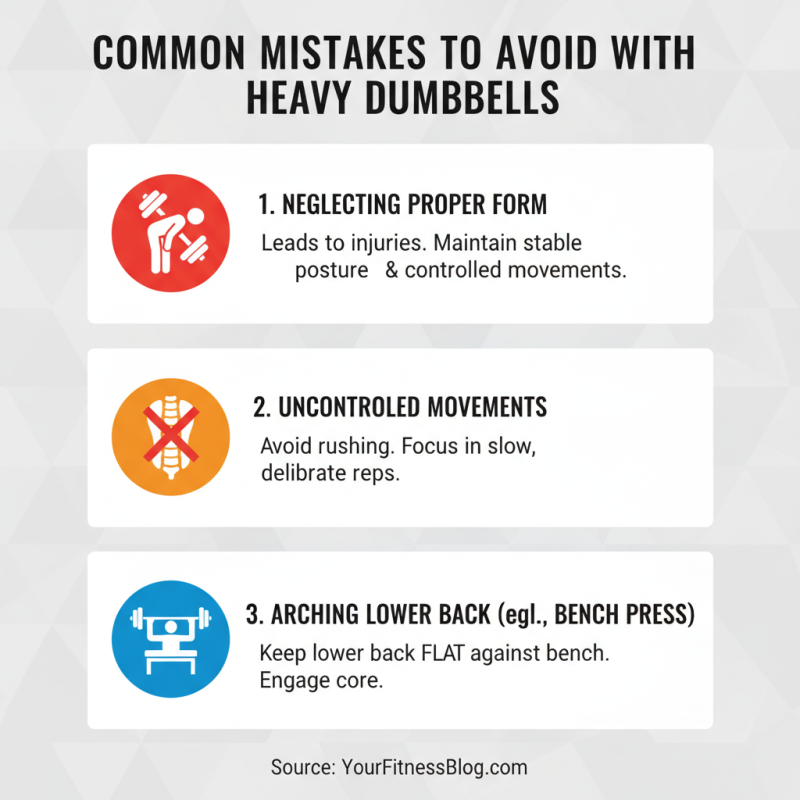
When using heavy dumbbells, many trainees make crucial mistakes that hinder their progress. One common error is neglecting proper form. Lifting without attention to technique can lead to injuries. It’s important to maintain a stable posture and controlled movements. For instance, when performing a bench press, ensure your lower back remains flat against the bench.
Another mistake is improper weight selection. Some individuals choose weights that are too heavy, which can compromise their ability to complete reps with good form. It’s essential to find a balance between challenging yourself and maintaining control. Gradually increasing weight over time is more effective than attempting to lift your maximum too soon.
Finally, many people ignore the importance of recovery. Heavy lifting can strain muscles, so rest is crucial. Skipping recovery days leads to fatigue and reduces gains. Listen to your body; if you feel sore, take a break. Reflecting on your training routine can reveal areas for improvement and enhance overall strength.