Leave Your Message

What Is a Rotating Dumbbell and How Does It Work?

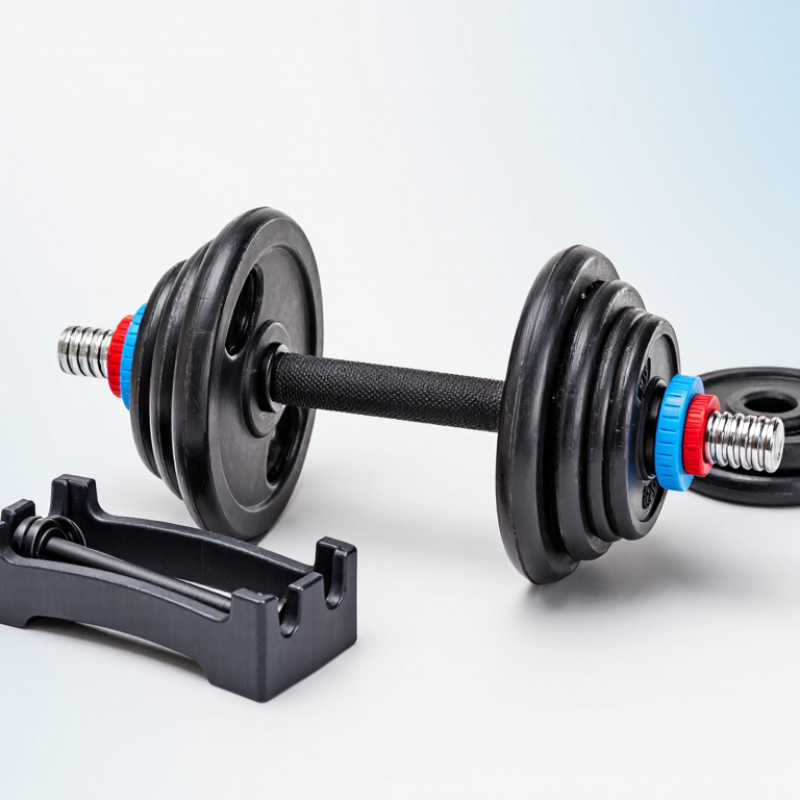
A Rotating Dumbbell is generally an adjustable dumbbell that uses a turning handle, dial, or selector to change its weight. Instead of keeping several fixed-weight dumbbells nearby, you can choose a setting and use one compact unit. The exact design varies by brand, so the name does not describe one universal mechanism. Check the product’s instructions before use.

Here’s the basic idea. Turning the selector aligns an internal locking mechanism with a chosen set of weight plates. When you lift the dumbbell from its cradle, the selected plates stay attached, while unused plates remain behind. You may hear a click as the selector moves. That sound alone does not confirm a secure lock. Look for the manufacturer’s indicator, and make sure both ends show the same setting. Then lift the dumbbell carefully and check that the plates remain stable.

It can save space. It can also make weight changes quicker between exercises. But the mechanism adds parts that need sensible handling. Dropping the dumbbell, forcing a stuck dial, or changing settings while it is lifted may damage the unit or create a safety risk. A rotating design may feel different from a fixed dumbbell, too; the handle, balance, and plate movement can take some getting used to. That detail is easy to overlook. A Rotating Dumbbell is not automatically better for every workout. Consider your exercises, available storage, weight range, and comfort before choosing one. When in doubt, follow the manual and ask a qualified fitness professional to check your technique.
What Is a Rotating Dumbbell and How Does It Work?

What a Rotating Dumbbell Is

A rotating dumbbell is usually an adjustable weight that changes load when you turn a dial or handle. Instead of storing several pairs on a rack, you select a setting and the mechanism engages the matching weight plates. The selected plates lift with the handle; unused plates stay in the base. Compact and practical.

The exact design varies. On some models, a visible dial clicks into numbered positions. On others, turning the handle selects plates through an internal locking system. A secure connection matters: check that the plates sit evenly and the selector is fully engaged before lifting. The term can also describe dumbbells with freely rotating handles, so product descriptions may use it differently. That distinction is easy to miss.

In use, the adjustment can save time between exercises, such as moving from a light set of lateral raises to heavier rows. Keep the unit on its stand while changing settings, and avoid forcing a dial that feels stuck. A small amount of play may be normal, but loose or uneven plates deserve attention. Read the manual for the specific mechanism; designs are not interchangeable.
The Main Components of a Rotating Dumbbell

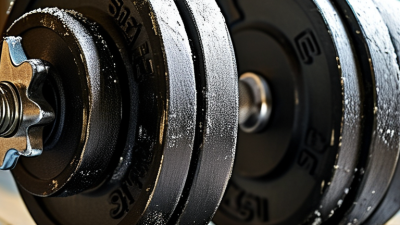
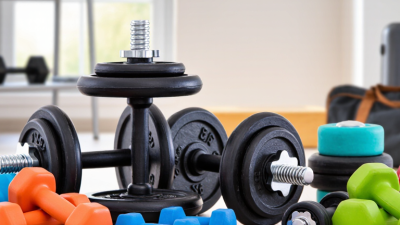
A rotating dumbbell usually has a handle, weight plates, a selection mechanism, and end locks. The handle provides the grip; textured surfaces can help when palms get damp. Plates supply the resistance, while the selector changes how many plates move with the handle. On some models, turning a dial aligns internal pins with chosen plates. Other designs use a twist grip or sliding selector, so the mechanism is not universal.

End locks keep unused plates seated on the base. Before lifting, check that the selector clicks into place and both sides show the same setting. A loose plate can shift during a curl, changing the feel of the repetition. The markings can be small, too. That deserves a second look, especially when changing weights quickly.

The ACSM’s 2025 Worldwide Fitness Trends survey ranked traditional strength training fifth among 45 trends. This is a survey of fitness trends, not a test of rotating dumbbells, but it shows continued professional interest in resistance exercise. For buyers, the practical details matter: clear weight labels, a secure selector, and a handle that feels stable in the hand. A mechanism that looks simple may still take practice.

How it works: Turning the selector dial moves an internal mechanism that engages the chosen weight plates. A retaining or locking feature keeps the selected plates attached during lifting. Designs vary by model.

Bar heights show the order of the steps only; they do not represent weight, force, or performance.

How Its Rotation Mechanism Works

A rotating dumbbell uses a handle-and-load assembly that allows some parts to turn relative to others. In many designs, sleeves holding the plates rotate around the central shaft on bearings or bushings. When you lift, the plates can turn slightly while your hand keeps its grip. That small movement may help the load follow your wrist and forearm through a curl or press. It does not make the dumbbell weightless, or automatically safer.

The mechanism varies. Some models rotate at the handle; others use adjustable internal parts, so check the maker’s instructions before loading or cleaning them. A gritty sound, uneven spin, or sideways play can signal wear. I’d treat smooth rotation as a feature, not a form fix. The ACSM position stand on resistance-training progression recommends 8–12 repetitions for novice adults and training two to three days weekly. The U.S. Physical Activity Guidelines also recommend muscle-strengthening activity on at least two days per week. Those figures describe training frequency and repetitions, not a proven advantage of rotating handles. Start with a manageable load, keep your wrist controlled, and notice whether rotation feels stable. It may feel odd at first.

How to Adjust and Use a Rotating Dumbbell

A rotating dumbbell lets you change its weight by turning a selector or handle, rather than adding plates by hand. The exact mechanism varies, so check the instructions for your model before adjusting it. Place the dumbbell fully in its storage tray, then turn the selector to the desired weight. You should feel or hear it click into place. No rush. Look along both ends and make sure the plates sit evenly before lifting.

Pick up the handle with a firm, dry grip and keep the dumbbell close to your body. Try a few slow repetitions with a light setting before moving to heavier work. If the handle feels loose or a plate shifts, set the dumbbell down and check the selector again. Never turn the dial while holding or lifting it. It is easy to assume every selector works the same way, but that assumption can cause trouble; follow the specific instructions provided. Keep the tray on a level floor, and avoid dropping the dumbbell, since impact may damage its locking parts. Go slowly at first.

Common Training Uses and Safety Considerations

A rotating dumbbell has a handle that turns as you move, allowing your hand and forearm to change position during an exercise. This can suit curls, presses, rows, and controlled forearm rotations. For example, during a curl, your palm can turn gradually from facing inward to facing upward. The movement may feel more natural, but it is not automatically safer or better for everyone. Start with a light load and notice how your wrist responds.

Tips: Keep your wrist aligned with your forearm, and rotate smoothly rather than snapping the handle. Try a few slow repetitions before adding weight. Stop if you feel sharp pain, numbness, or unusual joint pressure.

Use a stable stance and clear enough space for the dumbbell to move without striking nearby objects. Check that the handle rotates freely and that its weight plates are secure before training. Avoid fast twisting under heavy load, especially when you are tired; control often slips before you notice it. If the motion feels awkward, use a fixed-grip dumbbell or ask a qualified trainer to check your form. A rotating handle can help practice controlled movement, but it cannot correct poor technique on its own.

What Is a Rotating Dumbbell and How Does It Work? - Common Training Uses and Safety Considerations
Topic How It Works or Is Used Practical Notes
Definition A rotating dumbbell commonly refers to an adjustable dumbbell whose handle or selector is turned to choose a load from a set of stored weight plates. Designs differ. Check the product instructions to confirm how its adjustment mechanism engages and locks the plates.
Weight selection Turning the selector aligns the dumbbell with a chosen number of plates. When lifted from its cradle, the selected plates move with the handle while unselected plates remain in the base. Set the dumbbell down fully in its cradle before changing the load. Never assume the selector has engaged without checking it.
Common exercises Depending on the dumbbell’s design and selected load, it can be used for presses, rows, curls, shoulder raises, lunges, and squats. Choose movements that allow controlled handling. Some designs may be bulky or awkward for exercises requiring the dumbbell to rest on the thigh or shoulder.
Typical training uses Adjustable selection can make it easier to change loads between exercises, perform strength workouts at home, or use different weights for separate movements. Use a load that allows steady technique through the intended repetitions. Increase resistance gradually rather than making large jumps.
Before each set Check that the dumbbell is correctly seated, the selected plates are secured, and the handle and selector show no visible damage or obstruction. If the plates appear loose, the selector does not align, or the mechanism feels abnormal, do not lift the dumbbell; follow the manufacturer’s instructions.
During exercise Grip the handle firmly and move the weight under control. Keep the path clear and avoid dropping or throwing the dumbbell. Do not turn the selector while holding the dumbbell or while the plates are under load.
Storage and handling Return the dumbbell to its designated base after use and keep the base on a stable, level surface. Use two hands when moving a heavy unit if needed. Keep fingers clear of plate gaps and selector parts when placing it in the cradle.
Key limitation The selectable loads, adjustment increments, shape, and handling feel vary by model. A rotating selector does not make every dumbbell suitable for every exercise. Review the load range and exercise guidance for the specific equipment, and stop if a movement causes pain or the equipment behaves unexpectedly.