Leave Your Message

Top 10 Automatic Dumbbell Suppliers for Global Buyers?

Choosing the right Automatic Dumbbell supplier requires more than comparing prices on a product page. Global buyers need dependable manufacturing, clear communication, stable quality, and practical after-sales support. A supplier may offer an impressive catalog, yet performance can change between samples and bulk orders.

This guide examines ten Automatic Dumbbell suppliers serving international markets. The selection focuses on manufacturing experience, product design, adjustment mechanisms, material quality, testing processes, production capacity, and export readiness. We also consider response speed, customization options, packaging standards, warranty terms, and the supplier’s ability to provide useful technical documents. Details matter.

During supplier evaluation, buyers should request recent product samples, factory information, inspection records, and clear quotations. Questions about weight accuracy, locking safety, handle durability, replacement parts, and delivery schedules can reveal important differences. Certifications should be verified with the relevant issuing organization, not accepted only from a sales brochure.

No ranking can fit every buyer. A fitness equipment distributor may prioritize private labeling, while a gym operator may value long-term durability and spare-part access. Smaller suppliers can sometimes provide more flexibility, but their production systems may require closer supervision. That is worth remembering. This overview offers a practical starting point, not a substitute for independent due diligence. By comparing evidence rather than promises, buyers can reduce avoidable risks and build more reliable international supply relationships.
Top 10 Automatic Dumbbell Suppliers for Global Buyers?

What Are Automatic Dumbbells and How Do They Work?

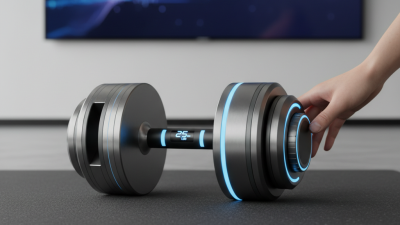
Automatic dumbbells are adjustable training tools that change resistance without requiring users to add loose plates. Most designs use a dial, buttons, or a small control panel. Selecting 12 kilograms engages the matching plates inside the handle. A locking system then secures them during movement. Some models use mechanical selectors, while others use powered mechanisms. The term “automatic” is not perfectly standardized.

In practical equipment checks, the important details are clear weight changes, stable plate locking, and comfortable grip pressure. Place the dumbbell on its base, select the load, and wait for the indicator to confirm the setting. Lift it slowly before starting a full set. If plates shift, stop immediately. A smooth adjustment sound does not prove safe engagement. Buyers should request load-range data, cycle testing, safety instructions, and replacement-part availability from suppliers.

Global buyers also need to examine power requirements when a motor or display is included. Regional voltage differences can affect operation. A supplier should provide accurate dimensions, packaging measurements, material specifications, and warranty terms. Check whether the base prevents accidental selection during use. The idea sounds simple, but durability often depends on small parts, especially pins, gears, and contact points. I would not judge quality from appearance alone; a compact sample may hide weak internal components.
How to Evaluate Automatic Dumbbell Suppliers Worldwide

When evaluating automatic dumbbell suppliers worldwide, begin with evidence, not attractive catalog photos. Request factory details, production records, material specifications, and recent quality reports. A dependable supplier should explain adjustment mechanisms, weight tolerances, surface finishes, and packaging tests clearly. Ask whether the stated weights match independent measurements. They should.

Practical experience matters during sample testing. Check how quickly the plates change, whether the locking system feels stable, and whether the handle remains comfortable after repeated use. Test the dumbbell on different surfaces. Listen for unusual clicks. A supplier should provide inspection procedures, warranty terms, spare-part availability, and user instructions in suitable languages. Verify product compliance documents for each target market, because requirements can differ between countries.

Supplier evaluation is not perfectly objective. A polished audit may miss rushed assembly or weak after-sales support. I have found that direct questions reveal more than long brochures. Ask for customer references, production capacity during peak seasons, and the person responsible for quality claims. Examine export packaging, carton labels, and damage records from previous shipments. Payment terms, lead times, minimum order quantities, and communication speed also deserve written confirmation. Cheap pricing can hide expensive returns. Even experienced buyers sometimes overlook replacement-part logistics. That mistake can delay an entire distribution plan.

How Global Buyers Can Evaluate Automatic Dumbbell Suppliers

Recommended evaluation-weight benchmark for comparing suppliers worldwide

This benchmark prioritizes product safety, regulatory documentation, quality consistency, delivery capability, warranty support, and total cost of ownership. Buyers can adjust the weighting according to market requirements, import regulations, order volume, and target customer expectations. The chart is an evaluation framework rather than a ranking of individual companies or brands.

Top 10 Automatic Dumbbell Suppliers for Global Buyers

Top 10 Automatic Dumbbell Suppliers for Global Buyers

Global buyers need more than attractive product photos when comparing automatic dumbbell suppliers. The best ten supplier profiles usually include factory-direct manufacturers, certified fitness-equipment exporters, engineering-led producers, and specialist adjustable-weight assemblers. They should provide load-test records, electrical safety documents, clear warranty terms, and replacement-part availability. A supplier with responsive technical support often reduces costly delays after installation.

High-ranking suppliers typically offer compact dumbbells with motorized adjustment, secure locking systems, and readable weight displays. Buyers should inspect motor noise, adjustment speed, grip comfort, and emergency-stop functions. Ask for a working sample. A short video cannot reveal everything. Supplier One may excel in customization, while Supplier Two may offer stronger quality control. Other leading options include suppliers focused on commercial gyms, home fitness, hotel equipment, private-label production, rapid delivery, low minimum orders, and multi-country compliance.

Experience shows that pricing alone creates problems. A low quotation may exclude packaging tests, software updates, or spare parts. Buyers should compare landed costs, production schedules, payment protection, and inspection procedures. Factory audits and independent pre-shipment checks add useful evidence. However, supplier rankings can change as capacity, materials, and export policies shift. Some suppliers also overstate testing results, so verification remains necessary. Automatic dumbbells are convenient, but their electronics require more careful after-sales planning than traditional weights.

How to Compare Products, Prices, Certifications, and Services

Top 10 Automatic Dumbbell Suppliers for Global Buyers?

Global buyers should compare automatic dumbbells beyond catalog prices. Grand View Research estimates the global fitness equipment market will expand steadily through 2030. This growth increases supplier choices, but also increases quality risks. Request a working sample before placing a large order. Test weight changes, locking pins, handle balance, noise, and repeated adjustments. A smooth first use proves little.

Price comparison must include landed cost. Check unit price, minimum order quantity, packaging, spare parts, shipping terms, duties, and payment conditions. Ask suppliers for a written quotation with identical specifications. Weight accuracy matters. A 2024 industry testing review found that resistance equipment can show performance differences when manufacturing tolerances are weak. That detail is easy to miss. It should not be.

Certifications need careful reading. ISO 9001 usually verifies a quality management system, not dumbbell safety. Ask for material reports, production inspection records, and test methods. For relevant exercise equipment, compare evidence against ISO 20957 principles where applicable. Request factory audit results and batch traceability. Check warranty response time, replacement-part availability, and technical support across time zones. Good suppliers explain failure rates, not just success stories. Some quotations look attractive. They may hide weak after-sales service. Allow room for doubt, and verify every claim independently.

What Should Importers Check Before Placing an Order?

Before placing an order, importers should verify more than the supplier’s product photos. Request a working sample of the automatic dumbbell and test every adjustment setting. The weight selector should move smoothly, lock firmly, and remain stable during repeated use. Check the handle diameter, plate material, noise level, and maximum load. Small faults become expensive returns.

Ask for material specifications, inspection records, and independent test reports where applicable. Confirm that the electrical parts, charger, and packaging meet the destination market’s requirements. The supplier should explain quality-control steps clearly, from incoming materials to final assembly. A factory audit can reveal storage problems, weak testing routines, or outsourced production. Paperwork alone is not enough.

Compare warranty terms, spare-part availability, lead times, and replacement procedures. Clarify the trade terms, carton dimensions, pallet limits, and protection against impact damage. Photograph the sealed cartons before shipment. It helps during claims. Pricing also deserves caution: the cheapest quote may exclude testing, safer packaging, or after-sales support. A polished factory tour can still hide inconsistent production. Even experienced buyers sometimes approve samples too quickly. Leave time for a second inspection, especially when the first sample performs perfectly but the production schedule looks rushed.

Top 10 Automatic Dumbbell Suppliers for Global Buyers? - What Should Importers Check Before Placing an Order?

No. Supplier Screening Dimension Relevant Facts for Importers Documents or Evidence to Request Practical Acceptance Benchmark Priority
1 Adjustable Weight Range Automatic dumbbells commonly use selectable weight plates. The stated minimum and maximum load must match the physical configuration and user manual. Product specification sheet, photographs of weight markings, user manual, and a recorded functional demonstration. The tested weight range, increments, and maximum load are identical across the quotation, packaging, manual, and product label. High
2 Adjustment Mechanism Safety A locking failure can release plates during use. The mechanism should prevent unintended weight changes and remain stable under repeated adjustment cycles. Mechanical drawings, locking-mechanism test video, cycle-test report, and samples from the production line. No plate movement, jamming, or accidental release during repeated adjustment and drop-resistance testing agreed in the purchase specification. High
3 Battery and Charging System Rechargeable lithium batteries require appropriate protection against overcharge, over-discharge, short circuit, and overheating. Battery specification, charger rating, battery-management-system details, transport test evidence, and charging-temperature test results. The charger output matches the product rating, charging protection is documented, and lithium-battery transport documentation is available where applicable. High
4 Electrical and EMC Compliance Products with motors, electronic controls, or charging circuits may be subject to electrical-safety and electromagnetic-compatibility requirements in the destination market. Declaration of Conformity, applicable test reports, product ratings label, charger reports, and technical file index. The supplier identifies the applicable destination-market requirements instead of providing an unsupported generic certificate. High
5 Material and Chemical Compliance Coatings, plastics, rubber grips, adhesives, and electronic components may be subject to restricted-substance rules in the importing country. Material declaration, restricted-substance test report, supplier chemical declaration, and component-level information. Reports identify the tested materials and product model; generic reports without model or component references should not be accepted alone. Medium
6 Factory Quality-Control Process Incoming-material inspection, in-process checks, final inspection, and traceability reduce variation between approved samples and mass production. Quality manual, inspection checklist, defect classification, calibration records, production photos, and recent inspection reports. A documented inspection plan covers weight accuracy, locking function, charging, appearance, packaging, and final operation. High
7 MOQ and Customization Terms MOQ, packaging customization, color changes, firmware changes, and tooling can affect unit cost, lead time, and commercial risk. Written quotation, MOQ by configuration, tooling quotation, artwork approval procedure, and payment milestones. All one-time charges and recurring charges are itemized, and no customization begins before written approval of specifications. Medium
8 Packaging and Shipping Readiness Automatic dumbbells may be heavy, contain batteries, and require protection against impact, moisture, and accidental activation during transport. Carton dimensions, gross and net weights, packaging drop-test results, pallet plan, battery shipping documents, and export packing list. Shipping marks, carton data, battery handling labels, and packaging configuration are finalized before mass production. Medium
9 Lead Time and Production Capacity Actual lead time depends on component availability, battery procurement, tooling, inspection, and order quantity rather than assembly time alone. Capacity statement, production schedule, component lead-time list, sample timeline, and written shipment commitment. The supplier separates sample, tooling, production, inspection, and shipping time and provides an escalation plan for delays. Medium
10 Warranty and After-Sales Support Electronic adjustment systems can require replacement parts, troubleshooting, firmware support, or service procedures after delivery. Warranty terms, spare-parts price list, service response policy, troubleshooting guide, and replacement-part availability period. Warranty exclusions, claim evidence, response time, replacement responsibility, and spare-parts arrangements are stated in the sales contract. High
Importer note: Compliance obligations vary by destination market, product configuration, battery type, voltage, and intended use. Verify all certificates and test reports against the exact model, components, and importing jurisdiction before placing an order.