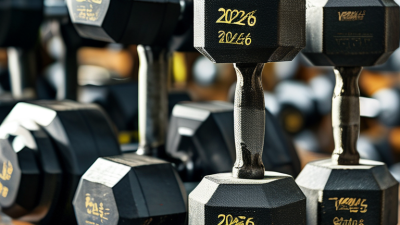
2026 Top Fitness Dumbbell Types for Global Buyers?
Choosing the right Fitness Dumbbells for global buyers requires more than comparing prices, colors, and advertised weight ranges. Home users, commercial gyms, personal trainers, and rehabilitation centers often need different designs. A compact adjustable pair may suit a small apartment. A fixed rubber dumbbell may perform better in a busy studio.
Dr. Brad Schoenfeld, a widely cited resistance-training researcher, has stated, “Progressive overload is the key driver of muscle growth.” This principle matters when evaluating dumbbells. Buyers should check whether each type supports gradual loading, secure handling, and repeatable training. A 2026 comparison should examine adjustable, fixed, hex, urethane, neoprene, and smart-connected models. It should also consider grip diameter, weight accuracy, storage needs, floor protection, and maintenance.
Real-world use reveals details that product pages often miss. A knurled steel handle can feel stable with sweaty hands. Yet, aggressive knurling may irritate beginners during longer sessions. Rubber coating can reduce noise. It may still produce odor in poorly ventilated rooms. Adjustable systems save space, but their locking mechanisms deserve careful inspection. One loose plate can change the training experience.
No single design wins everywhere. That is worth remembering. Regional shipping costs, climate, user strength, and service availability can influence the final choice. Some buyers may prioritize durability over appearance. Others may accept a higher price for faster adjustments. This guide compares the leading Fitness Dumbbells types for 2026, while recognizing an uncomfortable truth: specifications alone cannot predict comfort, safety, or long-term satisfaction. Hands-on testing still matters.
Dumbbell Categories Shaping the Global Fitness Market in 2026
2026 Top Fitness Dumbbell Types for Global Buyers
Dumbbell Categories Shaping the Global Fitness Market in 2026
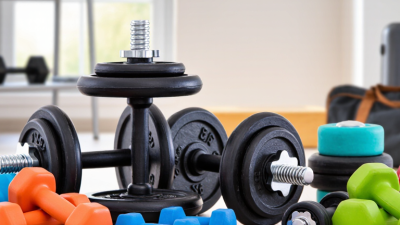
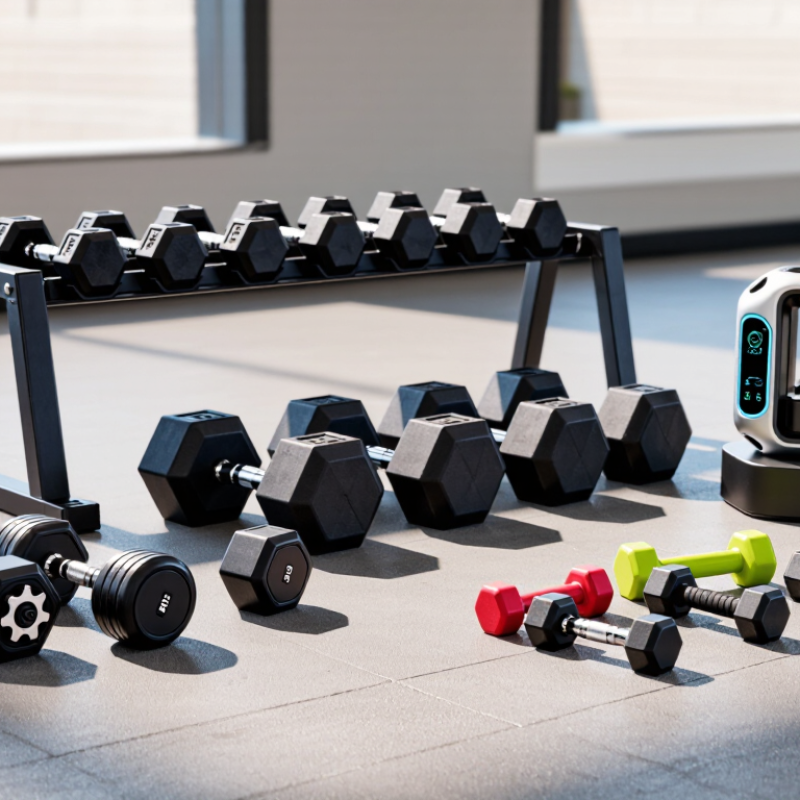
The global dumbbell market is moving toward category-based buying, not one-size-fits-all purchasing. Fixed dumbbells remain popular in gyms because their welded construction feels stable during fast circuits. Hexagonal heads reduce rolling and support floor exercises. However, they require more storage space as weights increase.
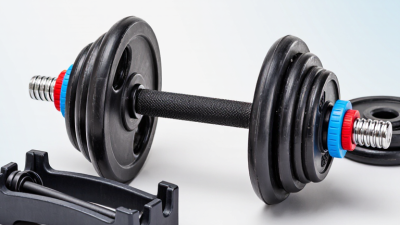
Adjustable dumbbells are gaining attention among apartment users and compact studios. One pair can replace several fixed sets, lowering shipping volume and storage pressure. Selectorized models offer quick weight changes, while plate-loaded designs provide simpler maintenance. Digital weight displays may improve tracking, but electronics can create repair concerns in distant markets. Neoprene options suit light home training, although their soft coating may wear faster under commercial use.
Tips:
Global buyers should compare grip diameter, handle texture, head balance, coating durability, and packaging strength. Ask for load-test records and material details. Check whether replacement parts are available locally. A sample test matters more than a polished catalog. I once underestimated warehouse temperature changes; coating performance suffered after long storage. That mistake still influences purchasing reviews. Buyers should also consider regional training habits, user strength ranges, and cleaning routines. No category wins everywhere. Fitness equipment decisions remain practical, sometimes imperfect, and highly dependent on the actual training environment.
Fixed, Adjustable, and Smart Dumbbells: Key Differences
Fixed, adjustable, and smart dumbbells serve different training realities. Fixed dumbbells feel stable, fast, and durable. They suit gyms with repeated exercises and high user turnover. Their weakness is storage: a complete weight range needs considerable floor space. In my purchasing experience, clear weight markings and knurled handles reduce mistakes during busy sessions. Small details matter.
Adjustable dumbbells provide several loads in one compact pair. They are practical for apartments, hotel gyms, and home users progressing from presses to heavy squats. However, adjustment mechanisms can slow circuits and may feel less balanced than fixed models. Buyers should inspect locking security, handle clearance, and the lowest usable weight. I once underestimated this last point. Beginners often need lighter increments than expected.
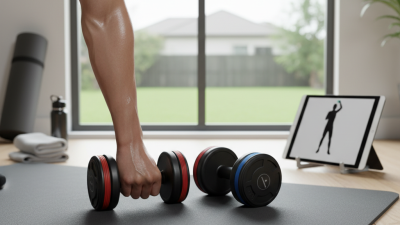
Smart dumbbells add sensors, connected tracking, and sometimes repetition feedback. Their value depends on coaching quality, app reliability, and user engagement, not connectivity alone. The American College of Sports Medicine’s 2025 Worldwide Survey ranked wearable technology first and mobile exercise applications second among fitness trends. This supports connected training, but it does not prove every sensor improves results. The Global Wellness Institute reported that the physical activity economy reached about 1.1 trillion dollars in 2023, showing strong commercial demand for measurable exercise solutions. Global buyers should also check regional electrical requirements, data privacy terms, warranty support, and replacement-part access. A clever interface cannot compensate for poor grip comfort.
2026 Top Fitness Dumbbell Types for Global Buyers
Category-level feature comparison: 1 means the feature is typical of the type; 0 means it is not. Fixed dumbbells have a set load, adjustable dumbbells let users change the load, and smart dumbbells add connected digital tracking. Features vary by model.
How to Match Dumbbell Types with Training Goals and User Needs
Choosing a dumbbell starts with the user, not the catalog. The ACSM’s 2025 Worldwide Fitness Trends survey ranked traditional strength training fifth. This reflects sustained interest in resistance exercise, not proof that one format suits everyone. For beginners, light fixed pairs offer simple handling and quick changes. Grip comfort matters.
Adjustable dumbbells suit limited storage and gradual progression. Check the smallest weight increment and locking feel before buying. For shared gyms or fast circuits, fixed rubber-coated hex dumbbells are easy to grab and resist rolling, but need more floor space. Spin-lock models can cost less and allow small load changes, though adjusting plates interrupts timed sets. Small details count.
Match the load to the movement: heavier pairs may suit rows and squats, while lighter ones work for controlled raises. The WHO’s 2024 physical-activity report estimates that 31% of adults worldwide were insufficiently active in 2022. Accessible, repeatable sessions matter more than equipment complexity. Fit matters more. Measure the storage space and test a full grip. One compromise: adjustable sets save space, yet their handles may feel bulky for smaller hands. A minute of hands-on testing can prevent a poor fit.