Top Competition Kettlebells in China for Global Buyers?
The fitness equipment industry is rapidly evolving, with "Competition Kettlebells" gaining significant attention among global buyers. According to a recent market research report by Grand View Research, the global kettlebell market size was valued at approximately $200 million in 2022. This number is projected to grow at a compound annual growth rate (CAGR) of 8.5% from 2023 to 2030, emphasizing the increasing demand for high-quality kettlebells.
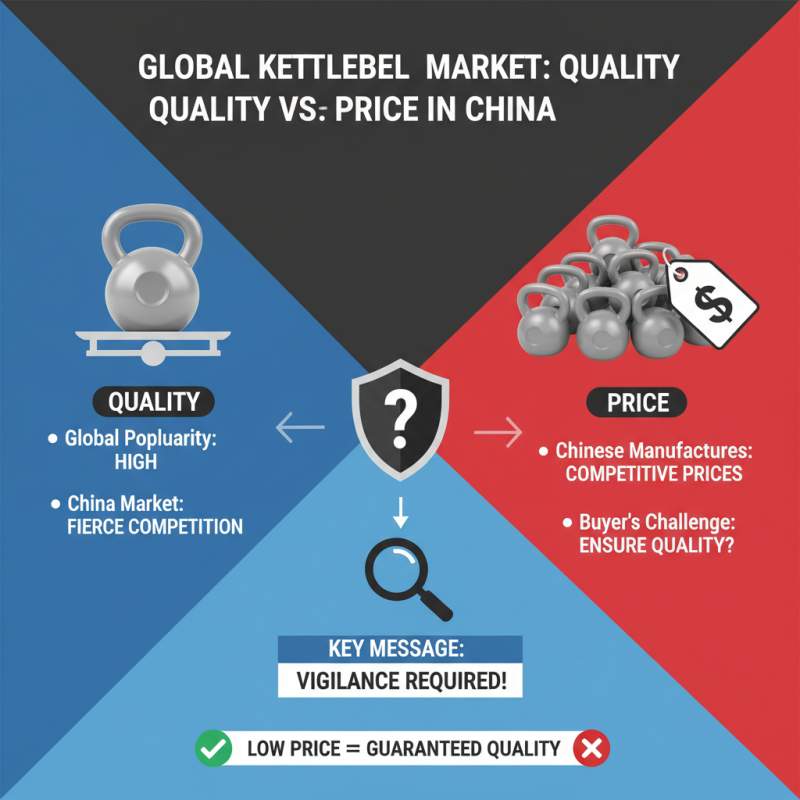
China has emerged as a pivotal player in this competitive landscape. With its advanced manufacturing capabilities, it produces kettlebells that meet international standards. However, many buyers face challenges when navigating product authenticity and supplier reliability in this vast market. A lack of stringent safety regulations can complicate the purchasing process. Engaging with trusted suppliers is crucial for procuring durable and safe competition kettlebells.
The growing trend of home workouts and fitness competitions drives interest in competition kettlebells. Their unique design enhances workout efficiency, catering to both novices and experienced athletes. Nevertheless, buyers must reflect on their choices, as not all products guarantee quality. Identifying reputable sources remains vital in making informed decisions.
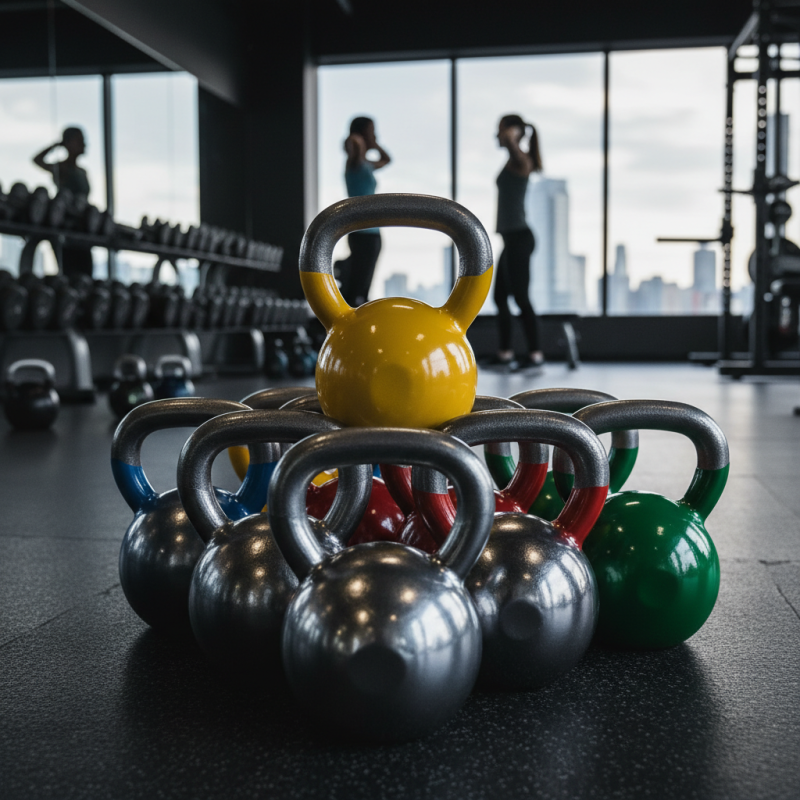
Overview of Kettlebell Popularity in China
Kettlebell training has gained significant traction in China. Fitness enthusiasts increasingly embrace this versatile equipment.
Gyms and local studios are incorporating kettlebells into their training programs. The appeal lies in kettlebell workouts, which combine strength, flexibility, and endurance.
Importantly, this popularity reflects a broader health and wellness trend across the country. Many people are looking for efficient ways to improve their fitness. Yet, the understanding of proper kettlebell techniques remains limited. Some individuals risk injury by using improper form. This highlights the need for more educational resources and training workshops.
Despite the challenges, the community continues to grow. Online platforms and social media promote kettlebell exercises. Local trainers share tips and routines, fostering a supportive environment. As kettlebell training flourishes, addressing knowledge gaps and promoting safe practices will be crucial for long-term success.
Key Manufacturers of Kettlebells in China
Kettlebells have gained immense popularity in fitness communities around the world. In China, the market for kettlebells has flourished, driven by rising health consciousness among consumers. A few key manufacturers stand out for their expertise and product reliability. They bring a mix of experience and innovation to the table, catering to both local and global buyers.
These manufacturers often focus on materials and design. High-quality iron and casting methods are crucial for durability. Some companies emphasize ergonomic designs for better grip and usability. However, the quality control process can vary among different producers. Some may struggle with consistency, making buyer research essential. It’s worth noting that pricing is also a factor. While some brands offer competitive rates, others may price their kettlebells higher due to perceived quality.
Many manufacturers are constantly refining their processes. This quest for improvement can lead to exciting developments, but it can also result in delays or inconsistencies in supply. Buyers should remain vigilant and willing to adapt. Understanding the strengths and weaknesses of manufacturers is key for making informed purchasing decisions. In this competitive landscape, finding trustworthy partners is undeniably important.
Innovative Features of Chinese Kettlebells
In recent years, Chinese kettlebells have emerged as strong contenders in the global fitness market. A recent industry report shows that the kettlebell market is projected to grow at a CAGR of 8.5% from 2023 to 2030. This growth is fueled by rising fitness awareness and an increasing preference for home workouts. Notably, Chinese manufacturers are incorporating innovative features that cater to modern fitness enthusiasts.
One such innovation is the use of high-quality materials that enhance durability. Many kettlebells now feature a rubber coating that protects both the bell and flooring. This design consideration is crucial for home users concerned about noise and damage. Additionally, adjustable kettlebells are gaining popularity. These allow users to modify the weight easily, accommodating various workout intensities. The versatility appeals to a broad range of customers, from beginners to advanced athletes.
However, some concerns remain about quality control and consistency across different manufacturers. Reports indicate that while many products meet international standards, others fall short. This inconsistency can affect user experience and safety. Buyers should be cautious and review product specifications thoroughly. Understanding these innovative features combined with potential drawbacks can help global buyers make informed decisions when exploring the Chinese kettlebell market.
Export Trends and Global Demand for Kettlebells
The global demand for kettlebells has surged recently, reflecting a shift towards home fitness solutions. According to a report by Grand View Research, the global kettlebell market size was valued at over $300 million in 2022 and is expected to grow at a CAGR of around 8% from 2023 to 2030. This trend is driven by an increasing awareness of fitness and a preference for versatile workout equipment.
China has become a prominent player in the kettlebell manufacturing sector, exporting to various global markets. A large portion of buyers is seeking quality products at competitive prices. However, this presents challenges, as quality inconsistencies can arise. The 2023 Industry Standards report highlights that only 70% of exported kettlebells meet international safety standards. This underscores the need for buyers to conduct thorough quality checks.
**Tips:** Always verify the certifications of kettlebell suppliers. Communication is key; ask detailed questions about materials and manufacturing processes. Additionally, consider ordering samples before making bulk purchases to evaluate the quality firsthand.