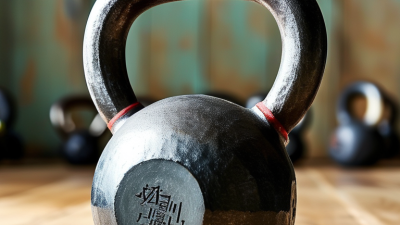
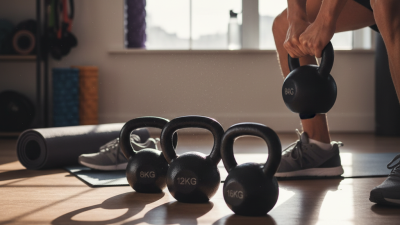
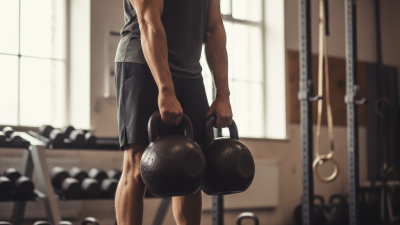
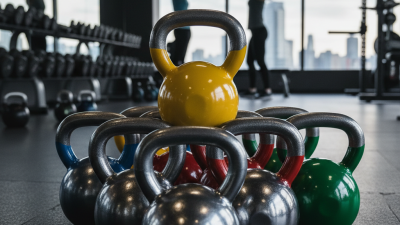
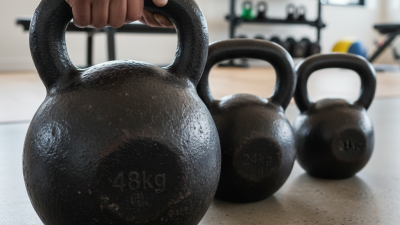
How to Use a Heavy Kettlebell for Effective Strength Training?
Strength training is essential for building muscle and improving overall fitness. Among various tools, the Heavy Kettlebell stands out. It offers versatility and effectiveness for strength training routines. Many fitness enthusiasts appreciate its potential. However, using a Heavy Kettlebell correctly requires knowledge and technique.
Begin by choosing the right weight. You can’t rush this process. Starting too heavy may lead to injury. Proper form is crucial in maximizing benefits. The Heavy Kettlebell can enhance your power and endurance. But, if you don’t maintain control, it can cause hazards. It's vital to listen to your body and adjust your weight accordingly.
Incorporating the Heavy Kettlebell into your regimen can yield significant results. It allows for dynamic movements, targeting multiple muscle groups. However, remember that progress takes time. Reflect on your methods and be willing to adapt. Experiment with different moves to find what works best for you. Consistent practice and mindfulness could lead to substantial gains.
Understanding the Basics of Heavy Kettlebell Training
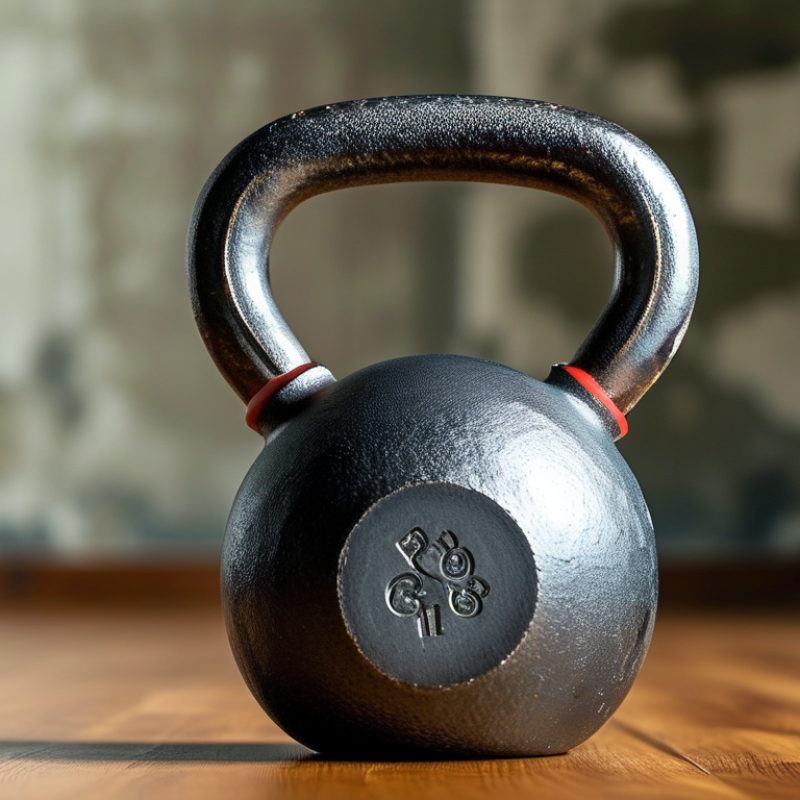
Heavy kettlebell training is an effective way to build strength. Understanding the basics is essential for safety and progress. Begin by choosing the right weight. A heavy kettlebell might feel daunting. However, it’s crucial to start with proper form. Poor technique can lead to injuries. Make sure your grip is secure, and your posture is correct.
Warm-up routines cannot be skipped. Simple dynamic stretches prepare the muscles. Focus on hip movements to enhance your kettlebell swings. Pay attention to your breathing. Exhaling during the exertion phase helps maintain control. Adjust your workout over time. Your strength will improve, but overtraining can lead to fatigue. Listen to your body.
Explore various exercises with the kettlebell. Swings, goblet squats, and Turkish get-ups are a few options. Each exercise engages different muscle groups. Track your progress regularly. This reflection will help identify what works for you. Remember, heavy kettlebell training is about gradual improvement. Embrace the challenges along the way.
How to Use a Heavy Kettlebell for Effective Strength Training?
| Exercise |
Target Muscle Group |
Recommended Sets |
Recommended Reps |
Tips |
| Kettlebell Swing |
Hamstrings, Glutes, Core |
3-4 |
10-15 |
Focus on form and hip drive. |
| Turkish Get-Up |
Shoulders, Core |
3 |
5 per side |
Move slowly and control the movement. |
| Kettlebell Deadlift |
Hamstrings, Glutes, Lower Back |
3-5 |
8-12 |
Ensure back is straight and engage core. |
| Kettlebell Press |
Shoulders, Triceps |
3-4 |
6-10 |
Keep elbows close to the body. |
| Kettlebell Goblet Squat |
Quads, Hamstrings, Glutes |
3-4 |
10-15 |
Hold kettlebell close to your chest. |
Choosing the Right Heavy Kettlebell for Your Fitness Level
Choosing the right heavy kettlebell is crucial for effective strength training. Many fitness experts recommend selecting a weight that challenges you while allowing proper form. A common guideline is to start with a kettlebell that is about 20-35% of your body weight. This weight range helps prevent injuries while still providing a solid workout.
When choosing a kettlebell, consider your fitness level and experience. Beginners may find a 12 kg (26 lbs) kettlebell a good starting point. As you gain strength, you can progress to heavier weights. According to a study from the National Strength and Conditioning Association, using the right intensity improves both strength and muscle endurance performance.
Pay attention to handle width and weight distribution as well. A narrow handle can lead to grip fatigue, especially during extended workouts. Reports indicate that poor grip strength leads to decreased overall performance. Remember, what works for one person may not work for you. Experiment to find your optimal weight, and be ready to adapt as your strength improves.
Essential Safety Tips When Using Heavy Kettlebells
Using a heavy kettlebell can be effective for strength training, but safety is paramount. Before starting, ensure you have a clear space. A clutter-free environment minimizes the risk of tripping. Always check your kettlebell for any signs of wear or damage. A faulty kettlebell can break during workouts, leading to injuries.
Proper form is crucial. Engaging your core while lifting helps protect your back. Avoid lifting weights that are too heavy for you. It’s counterproductive and can cause strain or injury. If you don’t feel stable during a lift, reduce the weight. Listen to your body—pain is a warning sign. If you’re unsure about your technique, seek guidance from a qualified trainer.
Wearing appropriate footwear is another safety measure. Flat shoes provide better stability and balance. Hydration is key; stay well-hydrated before and during workouts. Reflect on your progress regularly. Noticing what works and what doesn’t is essential for improvement. As you train with heavier kettlebells, always prioritize safety over pushing limits.
Effective Exercises for Building Strength with Heavy Kettlebells
Heavy kettlebells are becoming increasingly popular for strength training. They can enhance posture, boost coordination, and improve overall strength. A study published by the American Council on Exercise found that kettlebell training can increase muscular endurance by up to 70%. This highlights the effectiveness of these tools in a well-rounded fitness routine.
One effective exercise is the kettlebell swing. It targets multiple muscle groups, including the glutes, hamstrings, and core. By using a heavier kettlebell, you can amplify the effort involved. This exercise helps in developing explosive strength and endurance. Another excellent option is the Turkish get-up. It enhances core stability and shoulder strength. As you attempt heavier weights, focus on form to prevent injury and maintain balance.
However, heavy kettlebell workouts require thoughtful progression. Many beginners underestimate their limits. Training too intensely can lead to injuries. The key is to
listen to your body and increase the weight gradually. Monitor your skills and adjust as necessary. Negative experiences can provide valuable lessons. Embracing challenges encourages growth and helps refine technique.
Creating a Balanced Kettlebell Training Routine for Optimal Results
Creating a balanced kettlebell training routine is essential for effective strength training. Start by assessing your fitness level.
Heavy kettlebells can strain your muscles if you are not accustomed to them. Focus on mastering proper techniques before increasing weight.
This approach ensures safety and maximizes your training impact.
Incorporating diverse exercises with a heavy kettlebell can enhance your strength.
Combine swings, squats, and presses. These movements engage multiple muscle groups, providing a comprehensive workout.
Besides, vary your routine every few weeks. This keeps your muscles challenged and helps prevent plateaus.
Tips to remember: Always warm up before lifting. This prepares your body and reduces injury risks.
Rest between sets to allow recovery. Lastly, listen to your body. If you feel pain, reduce the weight or modify the exercise.
Progress takes time, and patience is key.