

Adjustable dumbbell strength factory
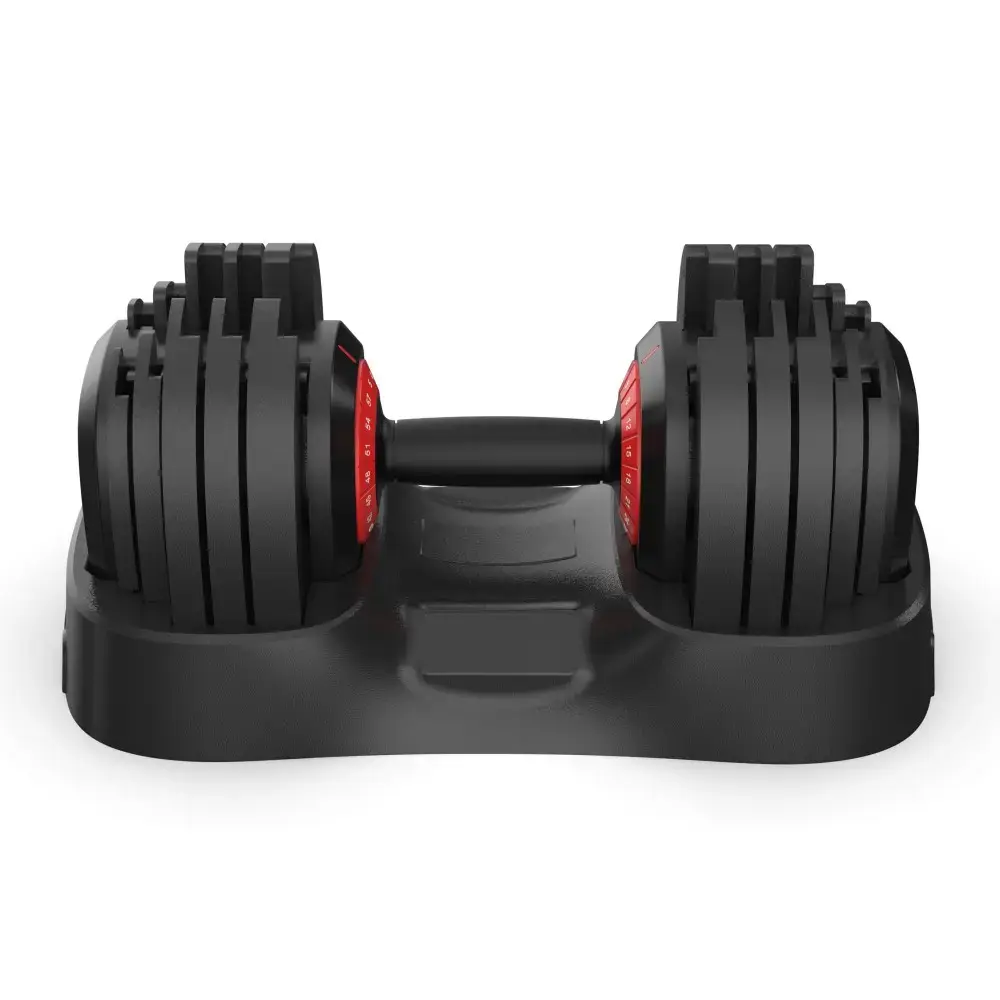
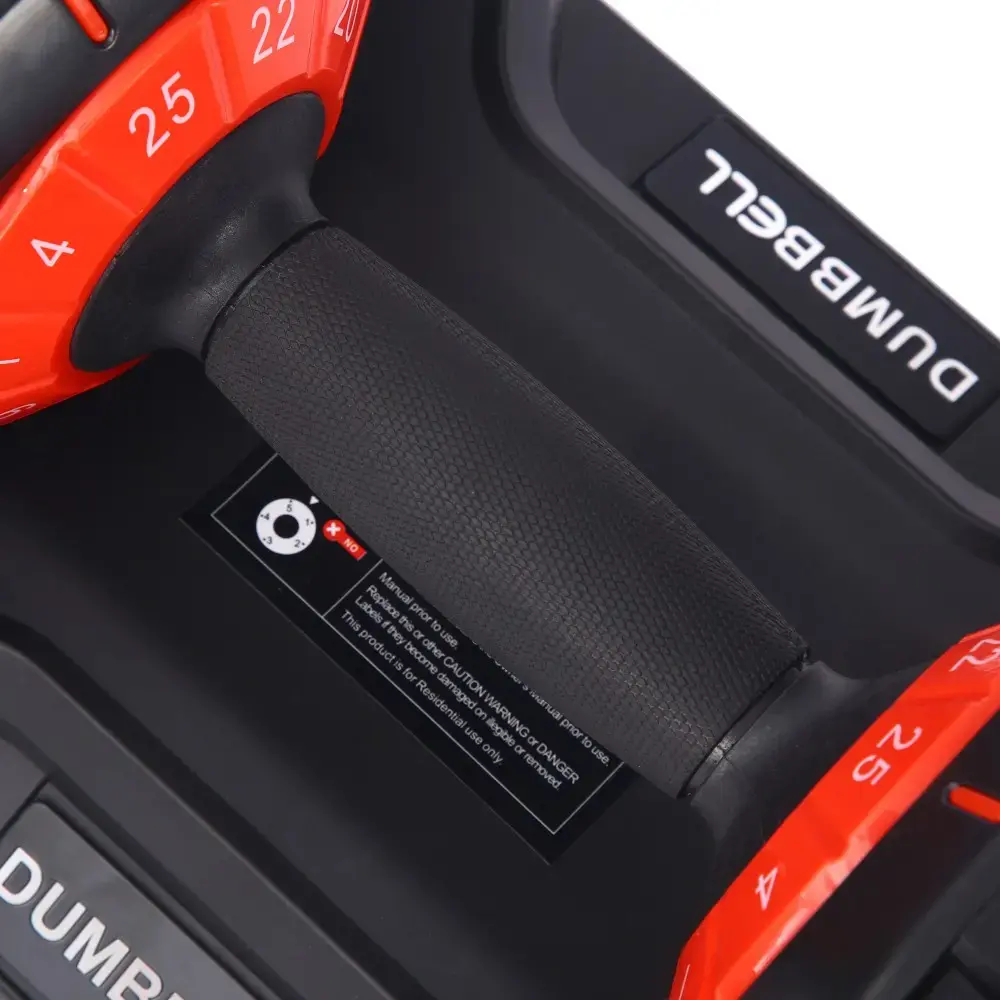
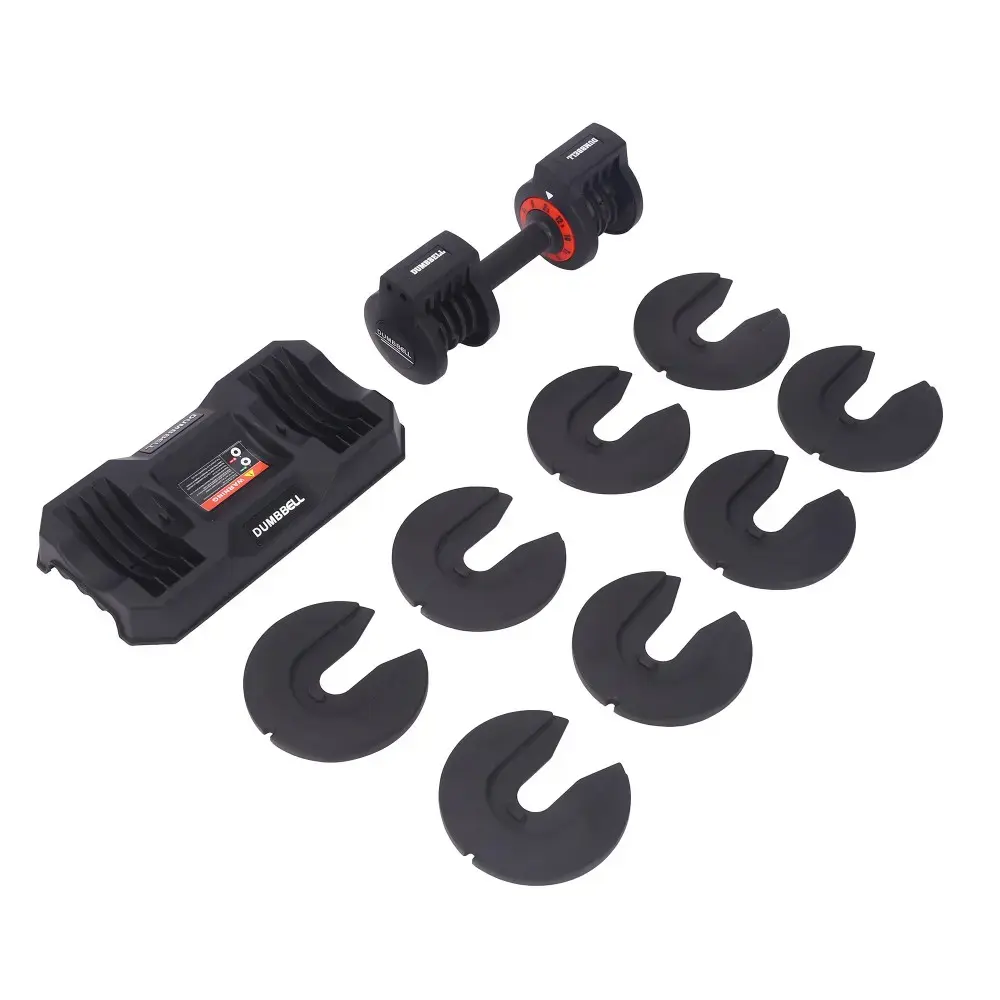
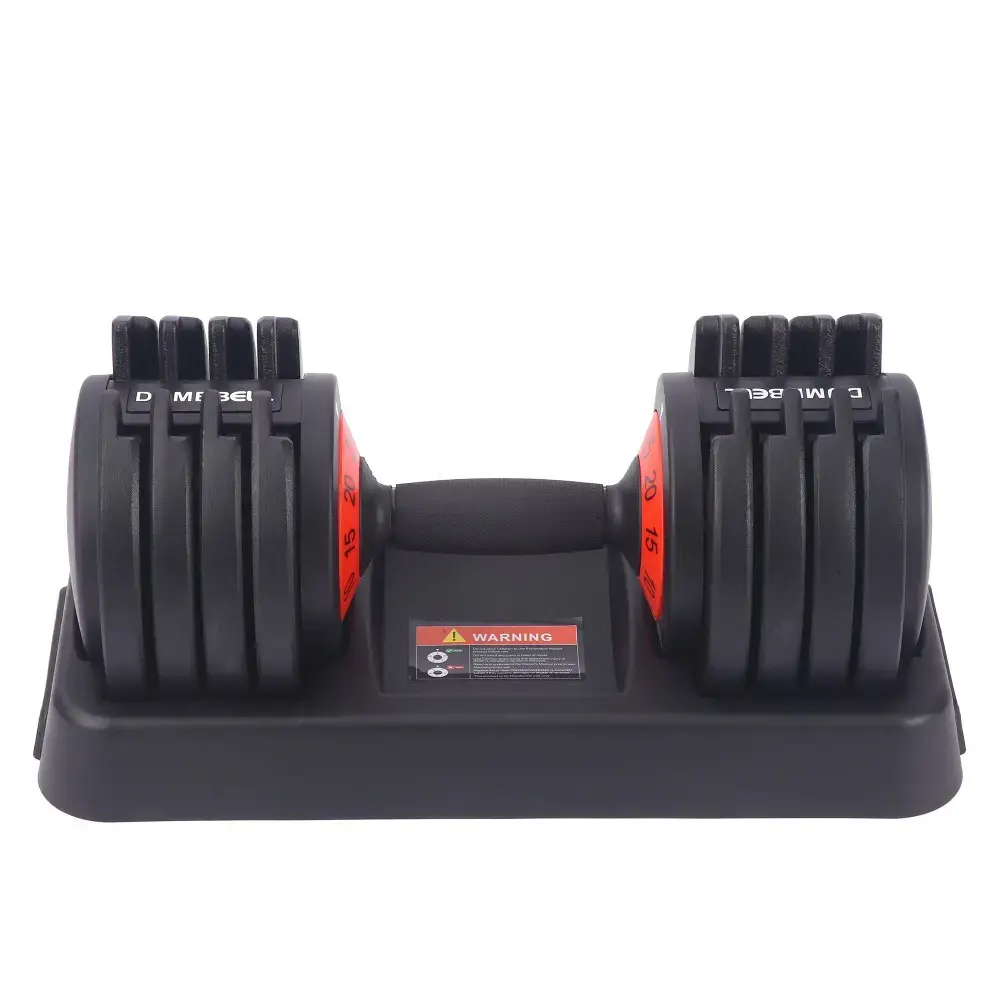
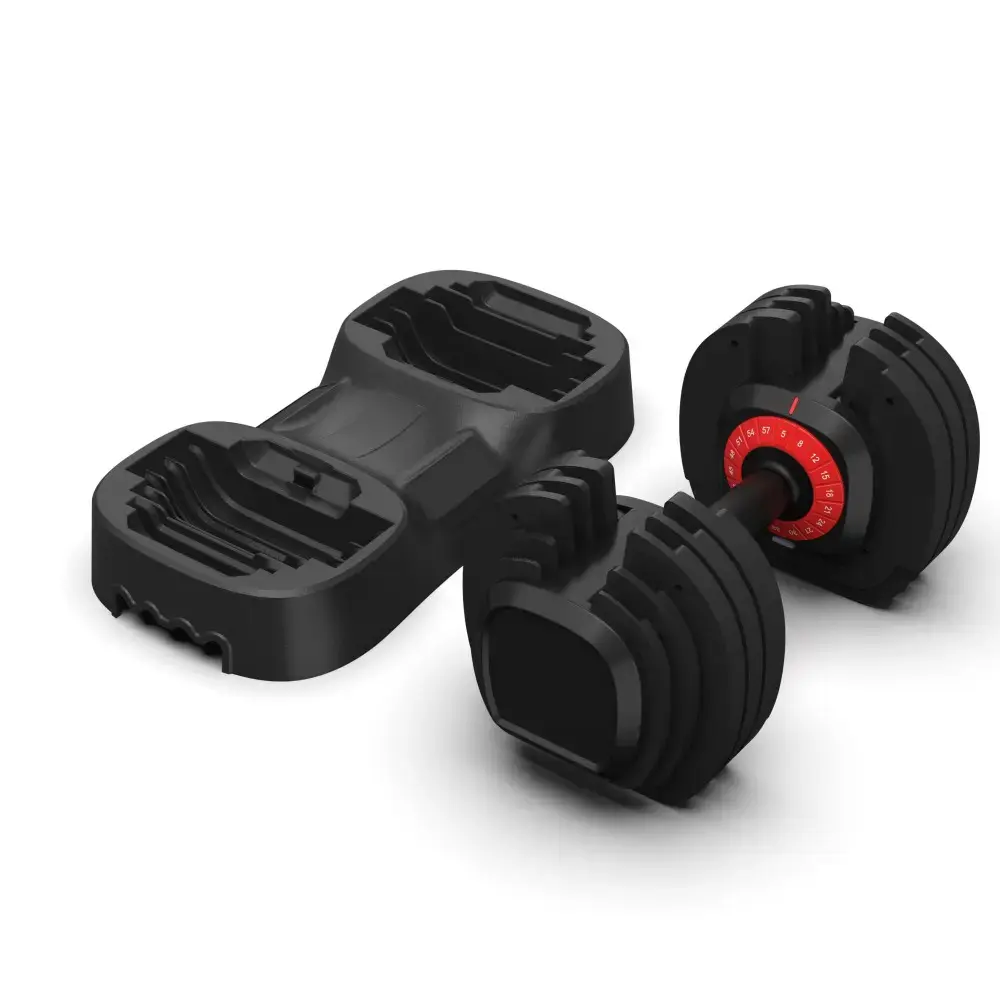
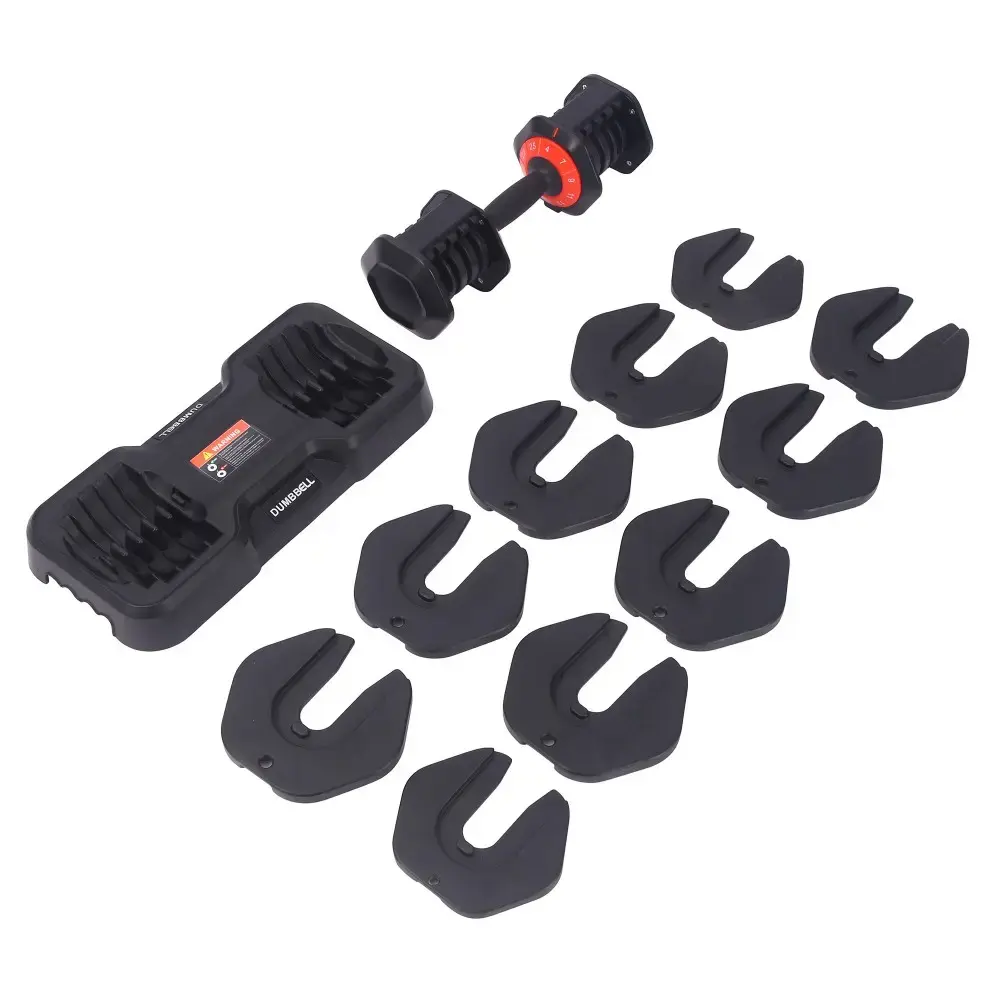
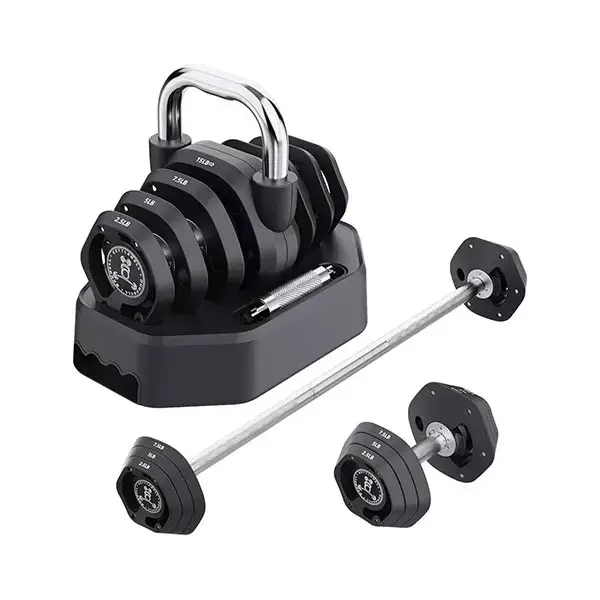
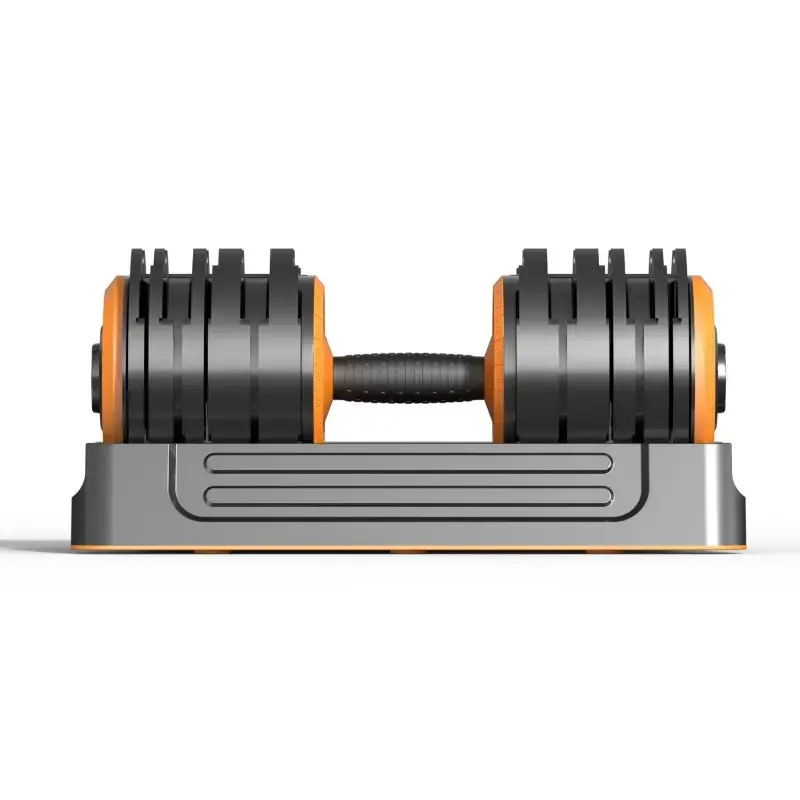
How to Choose 12.5KG Adjustable Dumbbells for Rehabilitation centers: A complete application Guide for progressive Training
How to Choose 12.5kg Adjustable Dumbbells for Rehabilitation centers: A complete application Guide for progressive Training
In the daily clinical practice of rehabilitation centers, the choice of equipment often determines the ceiling of treatment outcomes. A 12.5KG adjustable dumbbell may seem ordinary, but it is actually a bridge connecting acute recovery and functional return. Unlike the musk-building goals in gyms, resistance training in rehabilitation scenarios requires extreme precision and gradual progress, and this is precisely the core value of Adjustable Weight Dumbbells.
Why do rehabilitation centers need special adjustable dumbbells?
The shortcomings of traditional fixed-weight dumbbells in clinical application are obvious: when patients transition from passive activities of 5KG after surgery to functional training of 12.5KG, they often need to prepare 6 to 8 pairs of dumbbells of different weights. This not only occupies precious treatment space but also disrupts the continuity of progressive resistance. The adjustable dumbbells, through a modular weight system, enable therapists to adjust the load within 30 seconds, precisely matching the training intensity to the patient's current neuromuscular control ability.
What deserves more attention is cost-effectiveness. For a medium-sized rehabilitation center to purchase a complete fixed-weight dumbbell set (2.5KG to 15KG), the budget may be in the range of 3,000 to 4,000 US dollars. Two sets of high-quality 12.5KG adjustable dumbbells can meet the needs of 90% of outpatients, and the return on investment can be seen within 18 months.
The technical adaptability of 12.5KG adjustable dumbbells
The ideal rehabilitation-grade adjustable dumbbells need to meet three non-compromising standards:
First, the counterweight accuracy reaches an increment of 2.5KG. This corresponds to the weekly progress model for most orthopedic postoperative patients - for example, after rotator cuff repair, we start with 0.5KG and increase by 0.5 to 1KG each week. The upper limit of 12.5KG is sufficient to support the final reinforcement before patients return to throwing sports.
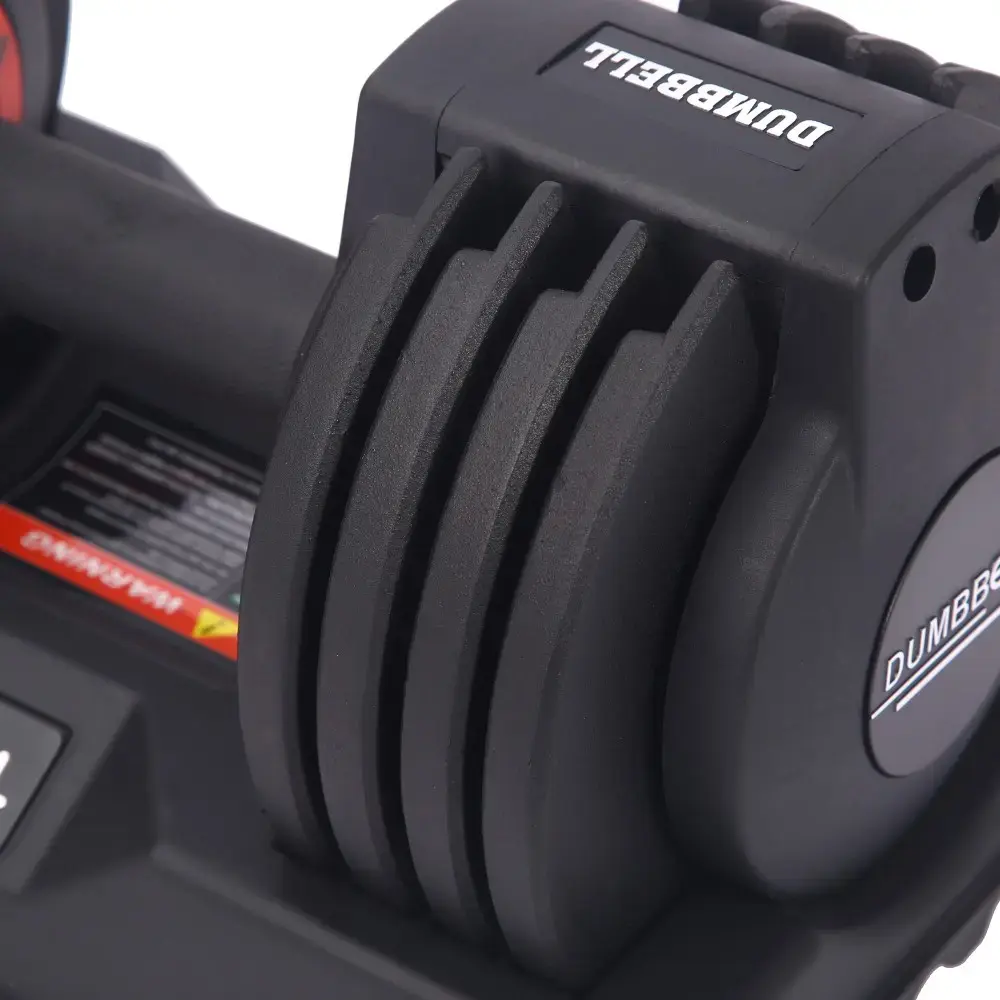
Second, the locking mechanism has zero loosening. In dynamic stability training of the shoulder joint, the accidental sliding of dumbbells can directly impact the fragile labrum repair structure. We have observed that dumbbells with pin-type or threaded fastening structures have significantly better mechanical reliability than those with snap-on designs, especially in clinical environments where daily high-frequency regulation is required.
Third, the diameter of the handle is adjustable. From the recovery of grip strength after distal radius fractures to the reconstruction of grip patterns in stroke patients, the difference in grip circumference between 32mm and 38mm directly affects the proprioceptive input of patients. Some high-end models offer replaceable grip covers, a detail that can significantly enhance patient compliance.
Three core application scenarios and protocol design
Scene One: The stepwise return of rotator cuff injury
The difficulty in the rehabilitation of rotator cuff injuries lies in balancing the protection of healing tissues with the gradual functional requirements. Our clinical pathway is typically divided into three stages:
Acute inflammatory period (0-3 weeks after surgery) : Use the lightest adjustable dumbbell weight (usually 1.25KG) to perform passive-assisted forward flexion training at the scapular plane. The key point is to eliminate the compression of the dumbbell's own weight on the subacromial space. At this time, the therapist will manually lift 70% of the dumbbell's weight.
Repair and remodeling period (4-8 weeks) : This is the stage when adjustable dumbbells can exert their core value. Take the lateral elevation training as an example. The starting weight is 2.5KG. The Visual Analogue Scale (VAS) for pain and the range of motion (ROM) of the joint are evaluated weekly. If both improve by more than 15%, the weight should be increased by 1.25KG. By the 8th week, most patients were able to complete 12 standard repetitions using 7.5KG.
Functional enhancement period (9-16 weeks) : Introduce eccentric contraction training. Adjust the dumbbells to 10-12.5KG. The patient lies on their back and performs a 90-degree forward shoulder flexion weight-controlled lowering. This progressive overload can significantly stimulate the remodeling of tendon collagen, laying the foundation for subsequent throwing or pushing movements.
Scene Two: Activation of the convex muscle group in scoliosis
Progressive dumbbell resistance has been proven to effectively improve the Cobb Angle for adolescent idiopathic scoliosis (AIS). The key does not lie in weight, but in precise single-sided load and three-dimensional control.
Our typical protocol is as follows: The patient stands, holds an adjustable dumbbell on the convex side of the spine, starts from 5KG, and performs corrective lateral flexion in the coronal plane. The weekly weight increase does not exceed 2.5KG, but more importantly, we take advantage of the "slight weight gain" feature of adjustable dumbbells - some models support a half-step adjustment of 1.25KG, which is crucial for the protection of growth plates in adolescent patients.
The training frequency is three times a week, with four sets each time, and ten lateral flexion repetitions per set, combined with breathing control. Clinical data show that for patients who persist for 12 weeks, the electromyography activity of the concave paravertebral muscles can increase by 40-60%, which is closely related to the coordinated activation of the posterior scapula muscle group.
Scene Three: Tendinopathy of the wrist and elbow
The recovery from tennis elbow or golfer's elbow is often underestimated, and the centrifugal load provided by adjustable dumbbells is the gold standard.
Take the wrist extensor muscle group training as an example. The patient's forearm is pronated and placed on the treatment bed, with the wrist suspended in the air. The initial weight is only 0.5 to 1KG (we will use the minimum weight plate of the adjustable dumbbell), and perform 10 slow wrist extensions. Every 5 to 7 days, when the patient completes 15 repetitions at the current weight and the VAS score is less than 3/10, increase by 1.25KG.
This "pain-guided progressive" model is feasible precisely because adjustable dumbbells can achieve true linear load escalation. The 2.5KG jump of a traditional dumbbell often causes patients to stagnate or experience recurrent pain, while the 1.25KG slight gain allows the tendons to continuously adapt at the ultrastructural level.
Deep considerations for the procurement of rehabilitation centers
When evaluating suppliers, in addition to the price list, it is recommended to examine three hidden dimensions:
1. The commonality of the counterweight plate: The counterweight plates of some brands can be used interchangeably with different grips, which means that when expanding to 20KG or 25KG models in the future, the original investment will not be wasted. Ask the sales representative about the vertical compatibility of the product line.
2. Clinical training support: Excellent suppliers will offer 2-3 hour practical workshops for physical therapists, covering everything from the Brunnstrom stage of stroke to specific protocols for sports injuries. This is more valuable than any product manual.
3. Details of the warranty terms: Pay special attention to whether "high-frequency adjustment" falls within the scope of normal wear and tear. We once encountered a brand that defined making adjustments more than 10 times a day as "excessive commercial use", which led to the expiration of the warranty. It is suggested that the clause on the upper limit of the number of daily adjustments be clearly stipulated in the contract.
Risk control in implementation
Even if the equipment is of the best quality, clinical decision-making mistakes can still lead to secondary damage. The red line rules we have established include:
Standing dumbbell training is prohibited within 12 weeks after the operation: All training should be completed in a supine or sitting position to prevent the risk of falls.
Each time an additional weight is added, the grip strength must be reassessed. If the grip strength drops by more than 10% compared to last week, the weight gain should be suspended and the endurance training of the forearm muscle group should be prioritized.
Double-person verification system: After the therapist sets the weight, another colleague needs to confirm that the locking structure is completely in place, especially when used by patients with cognitive impairment.
The application of adjustable dumbbells in rehabilitation centers is essentially a practice about "precision". It is not merely a combination of metal and plastic, but also an extension of the therapist's clinical experience. When the upper limit of 12.5KG of weight is used wisely, it can not only meet the gait resistance training needs of Parkinson's patients but also support the end-stage explosive power reconstruction of professional athletes - this span is precisely the charm of modern rehabilitation medicine.
Choose the right equipment and then believe in the power of gradual progress.