Leave Your Message

How to Choose Fitness Kettlebell Suppliers in 2026?

Choosing reliable Fitness Kettlebell suppliers in 2026 requires more than comparing online prices. The supplier’s product consistency, factory experience, testing process, and communication habits matter equally. Pavel Tsatsouline, a respected kettlebell training authority, once said, “The kettlebell is an entire gym in one hand.” That compact design deserves careful manufacturing.

A serious supplier should provide clear details about cast iron or steel construction, weight tolerance, handle diameter, surface coating, and base stability. Ask for recent product samples. Measure the listed weight yourself. Small differences can affect training accuracy, especially in commercial gyms. Inspect the handle closely. Rough seams can damage palms after repeated swings. A good coating should resist chips, sweat, and storage-room humidity.

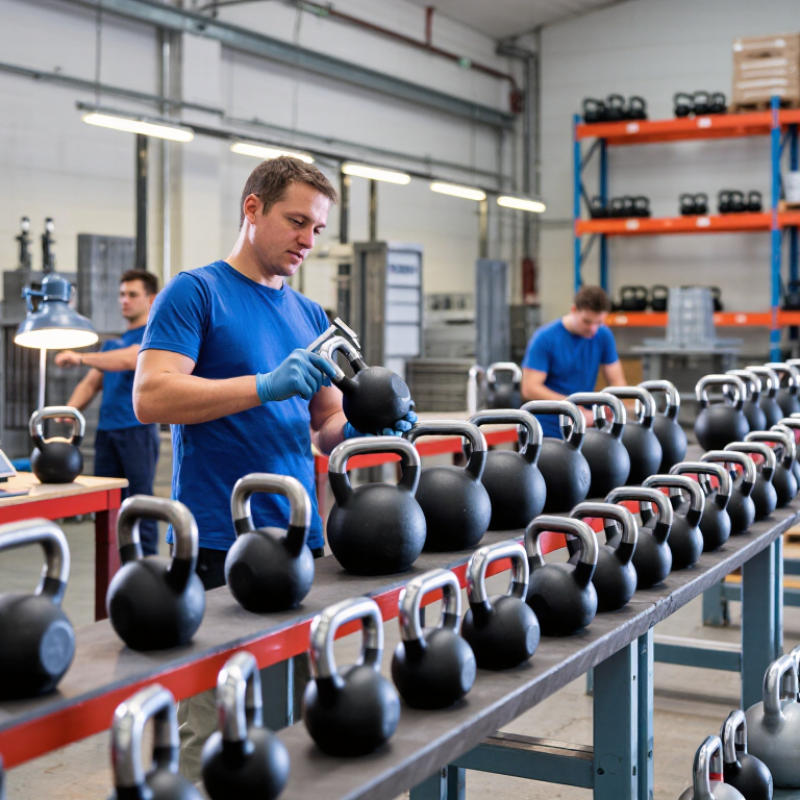
Factory evidence matters. Request quality-control records, production photographs, material information, and relevant third-party test reports. Verify whether the supplier controls molding, finishing, packaging, and final inspection internally. If several factories are involved, responsibility may become unclear. That creates avoidable risk.

Commercial buyers should also compare minimum order quantities, sample fees, lead times, replacement policies, and shipping protection. A low quote may hide weak cartons or inconsistent weights. It may also exclude essential packaging costs. Ask difficult questions early.

Still, no checklist is perfect. Supplier websites can look professional while offering limited evidence. A video call may reveal more than polished brochures. Visit the factory when practical, or use an independent inspection service. Choose the supplier that explains weaknesses honestly, corrects defects quickly, and supports stable quality over time. That is not always the cheapest choice. It is usually the safer one.
How to Choose Fitness Kettlebell Suppliers in 2026?

Define Your Fitness Kettlebell Supplier Requirements

Define Your Fitness Kettlebell Supplier Requirements

Before comparing fitness kettlebell suppliers in 2026, write down your exact operating needs. Decide whether the kettlebells are for home users, gyms, studios, or rehabilitation settings. Specify weight ranges, handle dimensions, surface finish, color coding, and storage limits. A compact facility may need kettlebells from 4 to 24 kilograms. A strength gym may require heavier options and reinforced packaging. Your requirements should also include target order volume, delivery windows, packaging preferences, and acceptable defect rates.

Quality must be measurable, not based on attractive product photos. Request material details, production tolerances, coating information, and inspection records. Ask how the supplier checks handle smoothness, weight accuracy, base stability, and coating durability. Sample testing is essential. Place a sample on a rubber floor, inspect the handle under bright light, and compare its stated weight with a calibrated scale. My first checklist was too broad; I learned that unclear requirements create expensive misunderstandings. Suppliers should also provide clear communication, traceable documents, and practical solutions when defects appear.

Tips: Separate essential requirements from preferences. Keep both lists short. Ask for a written quotation with specifications, quantities, lead time, shipping terms, and after-sales responsibilities. Test samples during realistic movements, not only visual inspection. Record every issue, even minor paint marks or uneven bases. Small flaws can reveal inconsistent production. Recheck your requirements after testing; some assumptions may be wrong.
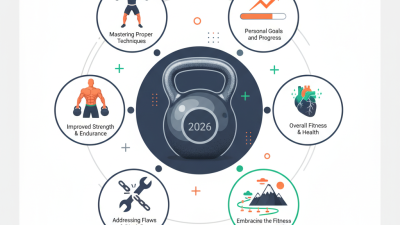
Compare Kettlebell Materials, Designs, and Quality Standards

How to Choose Fitness Kettlebell Suppliers in 2026?

Material and design should be judged together. Cast iron offers a traditional feel and stable balance. Steel can provide cleaner dimensions, especially for competition-style kettlebells. Vinyl coatings reduce floor noise, but they may split after repeated drops. A supplier should state the core material, coating thickness, handle diameter, and weight tolerance. Do not accept “premium quality” without test records.

The SFIA 2024 Topline Participation Report recorded 58.7 million U.S. participants in traditional strength training during 2023. That demand makes consistency more important for gyms and home users. During supplier checks, measure several units from one production batch. Handles should feel smooth, without sharp edges or uneven welds. Bases should sit flat on rubber flooring. A small wobble is not a small problem.

Quality evidence matters. Ask for batch traceability, dimensional inspection reports, and load-test procedures. Relevant equipment references may include ASTM F2276 and EN ISO 20957-1, where applicable. These standards do not replace product-specific testing. They also do not guarantee perfect manufacturing.

Tips: Request three samples, not one. Weigh each sample separately. Compare handle openings with a caliper. Check coating damage after controlled handling. Ask how rejected units are recorded. A supplier that avoids these questions may still be acceptable, but the risk deserves a lower price. My own preference is simple: consistent geometry beats attractive color. I have sometimes overvalued appearance. That was a costly mistake.

Evaluate Supplier Manufacturing Capacity and Customization Options

How to Choose Fitness Kettlebell Suppliers in 2026?

A reliable kettlebell supplier should prove manufacturing capacity, not merely promise it. Ask for monthly output, active production lines, and recent delivery records. A factory producing several weights should show consistent casting, machining, coating, and packing procedures. During supplier reviews, I look for separate inspection points. Handle diameter, balance, surface finish, and weight accuracy need documented checks. Request photographs or live video of these stages. Details matter.

Customization requires more than adding a logo. Confirm available weight ranges, handle shapes, colors, surface coatings, packaging, and carton dimensions. Ask whether the supplier uses existing molds or needs new tooling. New tooling can affect cost, sampling time, and minimum order quantities. Request a physical sample before approving mass production. Test its grip, balance, coating adhesion, and stability on the floor. A sample may look excellent and still reveal uncomfortable edges.

Tips: Compare capacity against your forecast, not the supplier’s maximum claim. Ask for a production schedule with material arrival, sampling, inspection, and shipment dates. Check how rejected units are recorded and replaced. Written evidence is stronger than confident language. I once underestimated packaging space; the product was correct, but warehouse costs increased. That mistake still influences my evaluations. Leave room for delays. Factories can be capable and still poorly organized.

How to Choose Fitness Kettlebell Suppliers in 2026? – Evaluate Supplier Manufacturing Capacity and Customization Options
Anonymous supplier-screening comparison based on practical manufacturing and customization criteria for cast-iron, competition, and coated fitness kettlebells. Confirm all figures through factory audits, production records, samples, and current compliance documents before placing an order.
Supplier Profile Annual Kettlebell Capacity Typical Monthly Capacity Production Process Weight Range Private-Label MOQ Customization Capability Sample Lead Time Bulk Lead Time
Profile A
High Capacity
600,000–900,000 units 50,000–75,000 units Automated casting, CNC finishing, powder coating, pad printing 4–40 kg 500 units per color or design Strong
Custom molds, colors, logos, packaging, and weight markings
10–15 days 35–50 days
Profile B
High Capacity
450,000–700,000 units 37,500–58,000 units Gravity casting, CNC machining, e-coating, powder coating 4–32 kg 800 units per design Strong
Color matching, embossed logos, carton design, and accessory bundles
12–18 days 40–55 days
Profile C
Medium Capacity
180,000–300,000 units 15,000–25,000 units Manual casting, CNC finishing, PVC dipping, screen printing 2–24 kg 300 units per design Moderate
Logo printing, standard colors, labels, and retail cartons; limited mold changes
15–20 days 45–65 days
Profile D
Medium Capacity
120,000–220,000 units 10,000–18,000 units Sand casting, manual grinding, neoprene coating, heat-transfer labels 4–32 kg 200 units per design Moderate
Standard mold selection, logo labels, coating colors, and packaging inserts
18–25 days 50–70 days
Profile E
Small Batch
50,000–100,000 units 4,000–8,000 units Manual casting, hand finishing, basic powder coating 4–20 kg 100 units per design Strong for small batches
Flexible colors, simple logos, custom labels, and gift packaging
20–30 days 55–80 days
Profile F
Trading + Outsourced
Capacity depends on partner factories Usually below 10,000 units Outsourced casting and finishing with external quality control 4–24 kg 100–300 units per design Limited to Moderate
Standard products, logos, labels, and packaging; limited control over engineering changes
20–35 days 60–90 days
Evaluation guidance: For large retail or gym-chain programs, prioritize verified monthly output, documented production scheduling, spare-line capacity, and in-process quality control. For new brands or test launches, a lower MOQ and flexible sampling program may be more valuable than maximum annual capacity. A reliable supplier should provide material specifications, weight-tolerance records, coating or finish standards, packaging drawings, inspection reports, and a clear replacement policy for defective units.

Verify Pricing, Certifications, Shipping, and Order Policies

Choosing fitness kettlebell suppliers in 2026 requires more than comparing online prices. Ask for a clear quotation covering unit cost, packaging, molds, inspections, and delivery. A low price may hide thin coatings, uneven handles, or expensive shipping. Request a sample and inspect its balance, grip texture, welds, and weight accuracy. I once trusted a catalog photograph and missed rough casting edges. That mistake delayed a small training order.

Certifications should match the product and destination market. Ask for current documents, testing laboratories, certificate numbers, and renewal dates. Do not accept a logo image as proof. Verify whether testing covers paint durability, material safety, labeling, and load performance. Experienced suppliers should explain their quality process in plain language. They should also provide batch records or inspection reports. Some documents may look convincing but remain incomplete.

Tips: Confirm shipping terms, carton dimensions, insurance, and customs responsibilities in writing. Compare door-to-door costs, not only factory prices. Check production lead times during busy seasons. Read the order policy carefully, including deposits, minimum quantities, replacement rules, refunds, and tolerance limits. A reliable agreement should explain what happens after damaged cartons arrive. Small details matter. Ask who pays when weights fail inspection. Suppliers that answer slowly or vaguely deserve closer review before payment.

Assess Supplier Reliability Through Samples and Customer Support

How to Choose Fitness Kettlebell Suppliers in 2026?

Assess supplier reliability through samples and customer support before discussing large orders. A sample reveals details that catalogs often hide. Check the handle’s smoothness, grip width, coating, balance, and base stability. Place it on a hard floor. It should sit flat without rocking. Measure the actual weight, because small differences can affect training plans and customer trust. Also inspect packaging after delivery. Dents, loose wrapping, or missing labels may signal weak quality control.

Customer support deserves the same attention. Send specific questions about material, weight tolerance, inspection procedures, and replacement policies. Reliable teams answer clearly and provide evidence, not vague promises. Test their response time during a busy period. Fast replies are useful, but thoughtful answers matter more. I once focused too heavily on a polished sample and ignored slow communication. That mistake created delays later. Supplier evaluation is never perfect. It needs repeated checks.

Tips: Order samples in several common weights. Record measurements, photos, and delivery dates. Ask how defects are handled before payment. Request updated production photos when specifications change. Compare support across email and live chat. If an answer feels rushed, pause the decision. A dependable supplier should welcome reasonable questions, even when the order is small.

How to Choose Fitness Kettlebell Suppliers in 2026?

Use this practical 100-point evaluation framework to assess supplier reliability. Samples and durability testing carry the highest weight because they directly verify product quality, while customer-support response and after-sales resolution help reduce communication and service risks.