Leave Your Message

How to Choose the Best Fitness Kettlebell in 2026?

Choosing the right Fitness Kettlebell in 2026 is less about finding the heaviest weight and more about matching a tool to your training, space, and experience. A kettlebell should feel secure in your hand, sit comfortably against your forearm during a rack position, and stay stable when placed on the floor. Small details matter. A handle that feels smooth in a product photo may be too thick for your grip, while a polished finish can become slippery with sweaty hands.

This guide will help you compare weight, handle shape, material, coating, and price before you buy. It will also explain why adjustable models suit some home gyms, while fixed-weight bells may work better for quick changes during a class. There is no single best choice. A beginner practicing controlled deadlifts may need a different weight from an experienced lifter doing swings, and choosing too heavy too soon can make technique harder to maintain. Start conservatively. If possible, test the handle and perform a few basic movements before committing. Check the manufacturer’s specifications, inspect the bell for a secure, even finish, and leave enough clear floor space for safe movement. Product claims deserve a second look, too; a premium price alone does not prove better performance. Your needs may change as your strength develops. That is worth considering before the checkout page.
How to Choose the Best Fitness Kettlebell in 2026?

Understanding Kettlebell Types and Training Goals

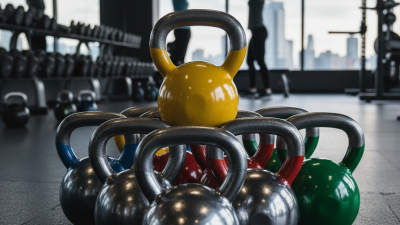
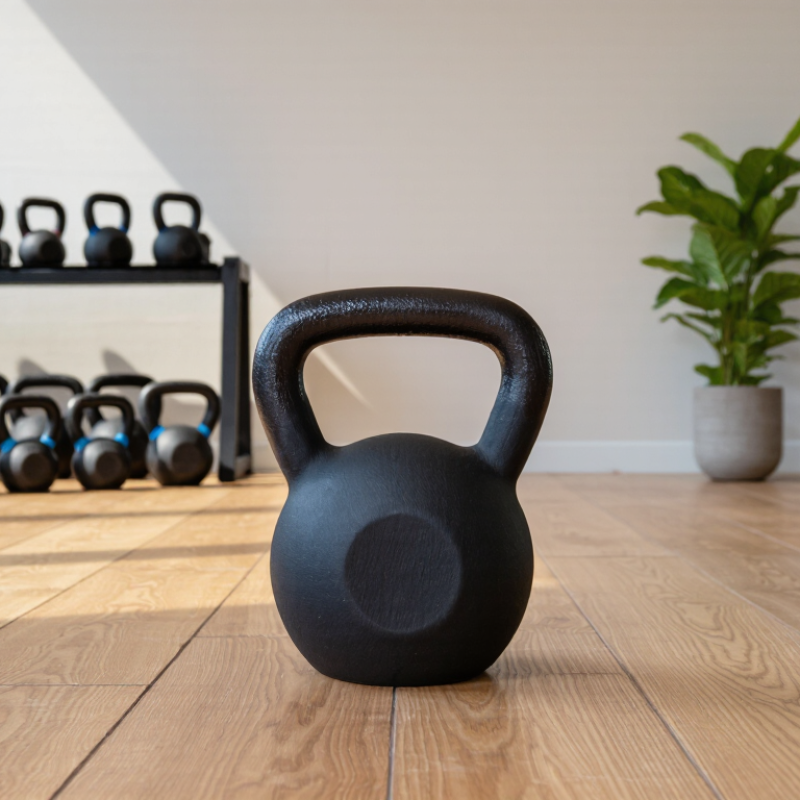
Choosing a fitness kettlebell starts with matching its shape and weight to your training goal. A cast-iron kettlebell has a fixed weight and compact body, making it practical for swings, goblet squats, and presses. Adjustable models save space and allow gradual progression, but changing plates can interrupt a fast circuit. Competition-style kettlebells keep a consistent size across weights, which can help when practicing cleans and snatches. The handle matters, too. Check that it leaves room for both hands and feels smooth against your palm.

Your goal should guide the load. For controlled strength work, choose a weight you can press without leaning or twisting. For swings, prioritize crisp hip movement over chasing a heavier bell. The American College of Sports Medicine’s 2025 Worldwide Survey of Fitness Trends ranked traditional strength training fifth, based on responses from more than 2,000 fitness professionals. That finding supports strength training’s broad appeal, but it does not identify one ideal kettlebell weight. Fit still depends on your skill, mobility, and exercise selection. Start lighter than your ambition suggests. It can feel overly cautious, and that is worth reconsidering once your form stays steady across repeated sets.
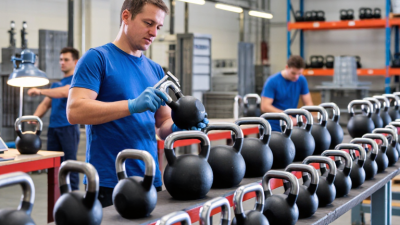
Choosing the Right Kettlebell Weight for Your Fitness Level

How to Choose the Best Fitness Kettlebell in 2026?

Choosing the Right Kettlebell Weight for Your Fitness Level

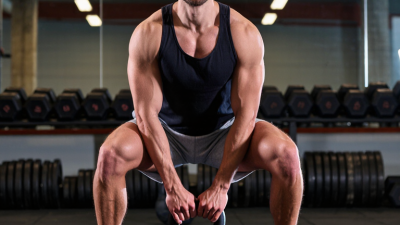
The right kettlebell should feel challenging without changing your form. For a first-time user, a lighter weight makes it easier to practice hinges, squats, and controlled presses. Try a few repetitions near a mirror: your back should stay steady, and the bell should move smoothly. If you already train regularly, choose a load that feels demanding but still allows several clean repetitions. One number does not fit every exercise.

Your choice may differ by movement. A weight comfortable for goblet squats might feel too heavy for overhead presses. I have found that this can be frustrating; buying one kettlebell for every exercise is not always practical. When possible, test a weight before committing. Leave room to progress, but add weight only when you can maintain control through the full set. On tired days, use a lighter bell or stop early. That is useful feedback, not failure.

Comparing Materials, Shapes, and Construction

How to Choose the Best Fitness Kettlebell in 2026?

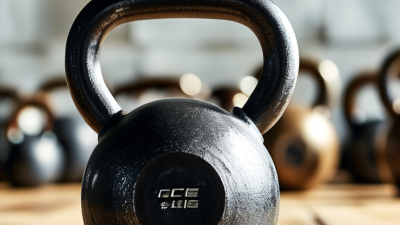
Material affects grip, floor safety, and long-term consistency. Cast iron offers a compact shape and predictable weight. Steel usually provides smoother handles and more precise manufacturing. Competition-style bells keep similar dimensions across weights, which can improve technique during progression. However, their larger bodies may feel awkward during goblet squats. Coated kettlebells protect floors, but damaged coatings can become slippery. A polished handle may look impressive. It can still create blisters. Inspect the handle width, seam quality, and base stability before buying.

Construction matters more than appearance. The handle should feel thick enough for two-handed swings, without forcing your fingers apart. A flat, stable base reduces rocking during storage and floor exercises. The American Council on Exercise reported about 20.2 calories burned per minute during a kettlebell workout. That 2010 study is useful, but its age deserves caution. Fitness equipment has changed, and individual results vary. ACSM’s Worldwide Survey of Fitness Trends for 2025 ranked traditional strength training among leading global trends. That supports kettlebells as practical tools, not magic solutions.

Tips: Choose a weight you can swing smoothly for ten repetitions. Check the bell on rubber flooring. Try cleans before purchasing. If the handle pinches, reconsider. My own preference is a durable cast-iron bell with a carefully finished handle. Still, comfort is personal, and one design cannot suit every hand.

How to Choose the Best Fitness Kettlebell in 2026?

Comparing materials, shapes, and construction through a practical 1–5 benchmark. Higher scores indicate better overall suitability for regular strength and conditioning training.

Cast iron offers proven durability and a traditional shape. Competition steel kettlebells provide consistent dimensions across weights, while stainless steel improves corrosion resistance and grip hygiene. Adjustable models save storage space but usually involve more moving parts and a less uniform feel.

Checking Handle Comfort, Grip, and Safety

When choosing the best fitness kettlebell in 2026, start with the handle, not its appearance. A comfortable handle should feel smooth, firm, and wide enough for your fingers. Sharp edges can create hot spots during swings or cleans. Test it with both dry and slightly sweaty hands. Your grip should stay relaxed, not painfully tight. That difference matters during longer sets.

Tips: Check the handle diameter before buying. Hold the kettlebell for thirty seconds. Rotate it slowly around your wrist. Look for cracks, rough seams, or uneven coating. A secure grip is important, but excessive texture may tear your skin. Chalk can help, though it should not hide a poor handle design.

Safety also depends on balance and control. The weight should sit naturally in your palm without pulling suddenly toward your fingertips. Experienced coaches often recommend practicing basic movements with a lighter kettlebell first. I once chose a heavier model because the handle felt acceptable in the shop. It became awkward after ten minutes. That was enough. Recheck your choice after a real workout, because comfort can change with fatigue. Leave clear space around you, and stop when your grip starts failing.

Evaluating Value, Durability, and 2026 Features

Choosing a fitness kettlebell in 2026 means weighing cost against years of repeated use. The American College of Sports Medicine’s 2025 Worldwide Fitness Trends survey ranked traditional strength training among the leading fitness trends. That signals continued interest in free-weight training, not proof that one kettlebell design suits everyone. Check the handle where your fingers wrap around it: rough seams can irritate skin, while an overly thick grip may feel tiring during higher-repetition sets. A stable, flat base also matters when the bell rests on a hard floor. Small details count.

Value is more than the lowest price. Compare the cost per kilogram, the finish, and whether the weight matches your current training and likely progression. For adjustable models, inspect the locking mechanism and listen for movement when the bell is tilted; even slight rattling can undermine confidence. Newer features may include clearer weight markings or easier-to-clean coatings, but treat these as conveniences, not performance guarantees. The ACSM survey tracks broad exercise trends, not kettlebell durability, so hands-on checks remain important. A perfect-looking finish is not enough. And one honest caveat: a heavier bell can seem like better value, yet it may sit unused if it is too demanding for controlled swings or presses.

How to Choose the Best Fitness Kettlebell in 2026? - Evaluating Value, Durability, and 2026 Features

Comparison of common kettlebell formats using typical specifications, market price ranges, and practical buying criteria.

Kettlebell Type Typical Weight Range Typical Price Range Primary Construction Handle Finish Base Stability Durability Score Value Score Best Use 2026-Relevant Features Main Limitation
Fixed Cast-Iron Kettlebell 4–32 kg US$25–$140 per unit Single-piece cast iron Textured or lightly polished steel Wide, flat base 9/10 9/10 General strength training, swings, squats, and carries Low-maintenance design; works with timer, workout, and rep-tracking apps Each new weight requires additional storage space and cost
Competition-Style Steel Kettlebell 8–40 kg US$45–$180 per unit Hollow steel body with standardized dimensions Smooth, consistent steel handle Flat base, usually highly consistent 9/10 7/10 Sport-style lifting, cleans, snatches, and technique practice Consistent geometry supports repeatable technique and video-based form analysis Wider body may feel less comfortable for some traditional exercises
Adjustable Plate-Loaded Kettlebell 4–18 kg typical usable range US$70–$180 Steel handle with removable internal plates Powder-coated or knurled steel Depends on the base and selected load 7/10 9/10 Small home gyms and progressive training Space-saving load changes; some models support quick-lock adjustment systems Moving parts require inspection and may create noise during dynamic movements
Vinyl-Coated Cast-Iron Kettlebell 2–16 kg US$20–$90 per unit Cast iron with a colored vinyl exterior Painted or coated steel Usually flat and stable 7/10 8/10 Apartment workouts, lighter conditioning, and beginner training Floor-protection coating; easier visual weight identification Vinyl can tear or separate if repeatedly dropped on hard surfaces
Rubber-Bottom Cast-Iron Kettlebell 8–32 kg US$45–$160 per unit Cast iron body with a rubber base Powder-coated or textured steel Very stable with improved floor contact 8/10 8/10 Home gyms, garage gyms, and high-frequency training Reduced floor noise and improved protection for hard indoor surfaces Rubber may develop odor or wear when exposed to heat, sunlight, or chemicals
Competition-Style Adjustable Kettlebell 12–32 kg typical usable range US$150–$300 Steel shell with internal weight plates Smooth or lightly textured steel Usually stable when fully assembled 7/10 7/10 Experienced users needing several training loads Broad weight range in one unit; useful for structured progressive overload Higher purchase price and more complicated maintenance than fixed models
Soft-Shell or Sand-Fill Kettlebell 4–20 kg US$30–$100 Fabric or polymer shell filled with sand or flexible material Textile, rubber, or molded polymer grip Variable and generally lower than rigid designs 5/10 7/10 Travel, rehabilitation, and low-impact conditioning Quieter contact, reduced impact, and easier storage in compact spaces Less suitable for high-speed snatches, drops, and repeated outdoor abrasion
Buying guide: Choose fixed cast iron for the best long-term value, competition steel for standardized technique, adjustable designs when storage is limited, and coated or rubber-bottom models when floor protection matters. Scores are practical comparison ratings based on construction, maintenance, versatility, and typical use—not manufacturer claims.